

I remember sitting in a cramped, soundproofed booth in Birmingham, watching a guest’s eyes light up as they reached the climax of a story, only to see the interviewer lean forward with a predatory glint in their eye. They weren’t listening; they were just loading their weapon. They had a follow-up question pre-loaded, and the second the guest took a breath, they fired it off, completely trampling the emotional weight of the moment. It’s a mistake I made for the first three years of my career, and it’s the fastest way to turn a profound conversation into a clinical interrogation. Learning how to listen instead of waiting to speak isn’t some mystical Zen exercise you buy in a $500 masterclass; it is a technical skill that requires you to silence your own internal monologue in real-time.
I’m not here to give you platitudes about “being present” or “mindfulness.” I want to talk about the mechanics of it—the actual, uncomfortable work of staying quiet when your brain is screaming a brilliant rebuttal. I’m going to show you how to recognize the physical cues that tell you you’re drifting, and how to use the silence as a tool rather than a gap to be filled. This is about practical, unglamorous discipline that will actually make your recordings sound human.
Overcoming Conversational Narcissism in the Messy Real World

The problem with most advice on overcoming conversational narcissism is that it treats the issue like a software update you can just install. In reality, it’s a physiological battle. When you’re sitting across from a guest—or even a friend—your brain is wired to find the “hook” that connects their story to your own life. You hear a mention of a trip to Berlin and your brain immediately starts loading the file for your 2014 trip there. If you aren’t careful, you’ll interrupt them mid-sentence to claim your territory. I’ve spent years in edit suites hearing exactly how this sounds; it’s a series of truncated thoughts and rushed, self-serving pivots that make the interviewee retreat into themselves.
To fight this, you have to treat your silence as a tool, not a void. I don’t care about fancy active listening techniques you read in a textbook; I care about the three seconds of dead air after a guest finishes a sentence. Most people rush to fill that gap because they’re terrified of the silence. But if you can sit with that discomfort, you’ll often find they have a second, more important thought they were just waiting to share. Mastering the pause is how you move from being a person who just takes turns talking to someone who actually conducts a conversation.
Mastering Active Listening Techniques When You Actually Care
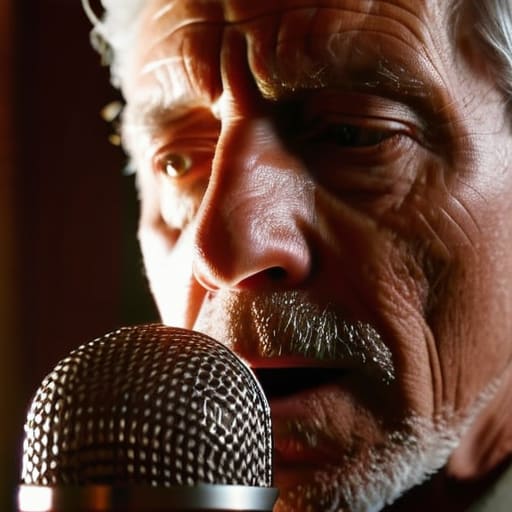
If you’re looking for a list of “empathetic listening exercises” from a textbook, you’re in the wrong place. In a real recording session, active listening isn’t about nodding like a bobblehead; it’s about managing your own internal noise. I’ve sat in booths with guests who were pouring their hearts out, only to realize I was mentally drafting my follow-up question instead of actually hearing their cadence. When you do that, you miss the micro-shifts in their tone—the tiny hesitations that tell you they’ve just hit on something profound. You miss the story because you were too busy being a “good interviewer” in your own head.
To actually get better at this, you need to develop mindful communication habits that prioritize the silence. Most beginners are terrified of a three-second gap, so they rush in to fill it, effectively steamrolling the guest. I’ve learned that the best way to improve is to treat the silence as a tool, not a mistake. Watch their nonverbal communication cues—a tightened jaw or a sudden shift in posture—and let those dictate your next move rather than your prepared notes. That is how you stop performing and start producing.
Five ways to stop being the most interesting person in the room
- Kill the internal monologue. If you are mentally drafting your “brilliant” follow-up question while the guest is still mid-sentence, you’ve already stopped listening. You’ll miss the subtle shift in their tone or the pivot they make that actually leads to the good stuff. Just let the thought go; if it’s actually worth asking, it’ll still be there in ten seconds.
- Watch the physical tells. In a studio, I’m not just listening to the waveform; I’m watching the person. If they lean back, pause, or look away, they’re signaling a transition or a moment of discomfort. If you’re too busy rehearsing your next point, you’ll steamroll right over those cues and end up with a flat, one-dimensional interview.
- Use the “three-second rule” for silence. Most beginners are terrified of dead air, so they rush in to fill every gap. But the best insights usually come in the silence after a person thinks they’ve finished talking. Wait three seconds. Let the silence sit. Often, they’ll fill it with the very thing you actually came to hear.
- Stop the “me too” reflex. When a guest shares an experience, your instinct is to validate them by sharing a similar one of your own. Don’t. It feels like empathy, but in a recording, it’s just a hijack. You’re shifting the spotlight from their story to your autobiography. Keep the focus on their narrative, not your relatability.
- Listen for the “unsaid” subtext. Every guest has a topic they are dancing around or a tension they are trying to smooth over. If you’re just waiting for your turn to speak, you’re only processing the literal words. If you actually listen to the cadence and the hesitation, you can find the real thread of the conversation.
The Practical Checklist for Not Ruining the Tape
Stop mental rehearsal; if you are busy formulating your rebuttal or your clever follow-up while the guest is mid-sentence, you have already stopped listening and you’ve lost the thread of the actual conversation.
Embrace the uncomfortable silence; when a guest finishes a thought, count to three in your head before you jump in, because that’s usually when the real, unscripted gold happens.
Listen for the subtext, not just the words; your job isn’t just to transcribe what they say, but to hear the hesitation or the shift in tone that tells you where the story actually lives.
## The Cost of the Mental Rehearsal
If you’re busy building your comeback line in your head while the guest is still mid-sentence, you aren’t interviewing them—you’re just waiting for your turn to perform. You’ll miss the subtle shift in their tone, the hesitation that actually holds the truth, and the very moment that makes a great episode.
Nadine Okafor
The Long Game of Listening

At the end of the day, improving your listening isn’t about memorizing a checklist of “active” behaviors to perform like a well-trained dog. It’s about the unglamorous work of suppressing your own ego so the person across from you can actually exist in the space. We’ve talked about identifying that itch to interrupt, managing your internal monologue, and moving past the superficial “uh-huh” nods that don’t actually mean you’re present. If you can stop treating a conversation like a competitive sport where the goal is to land the cleverest rebuttal, you’ll find that the actual substance of the interview—or the friendship—lives in the silences you were previously too afraid to inhabit. It’s about doing the heavy lifting of being present when it feels boring or uncomfortable.
I’ve spent decades sitting in dark rooms with headphones on, listening to hours of raw audio, and I can tell you exactly when a guest feels truly heard. It isn’t when the host asks a brilliant, pre-planned question; it’s when the host reacts to something the guest said three minutes ago that wasn’t even on the script. That is where the magic happens. Don’t get discouraged if you slip up and start rehearsing your next point mid-sentence; just catch yourself and come back. Mastering this is a slow, iterative process, much like learning to balance a complex mix, but the payoff is a level of connection that no amount of clever scripting can ever replicate.




