

I remember sitting in a cramped, humid studio in Birmingham back in the late nineties, staring at a waveform that looked like a mountain range because I’d let my own temper hijack the session. I was twenty-two, convinced I was a journalist, and I spent forty minutes trying to “win” an argument against a guest whose views made my skin crawl. I didn’t get a great interview; I got a messy, unusable recording that took me twelve hours to edit into something even remotely coherent. Most of the gurus online will tell you that you need “emotional intelligence training” or a specific psychological framework for how to interview someone you disagree with, but they’re usually just trying to sell you a three-month masterclass.
The truth is much more mechanical and much less polished. I’m not here to give you a lecture on empathy or how to be a saint; I’m here to tell you how to keep the levels steady and the conversation moving when you actually want to walk out the door. We’re going to talk about the actual logistics of tension—from managing your own physiological response to the specific types of follow-up questions that prevent a blowout.
Using Unbiased Questioning Strategies When Your Pulse Is Racing
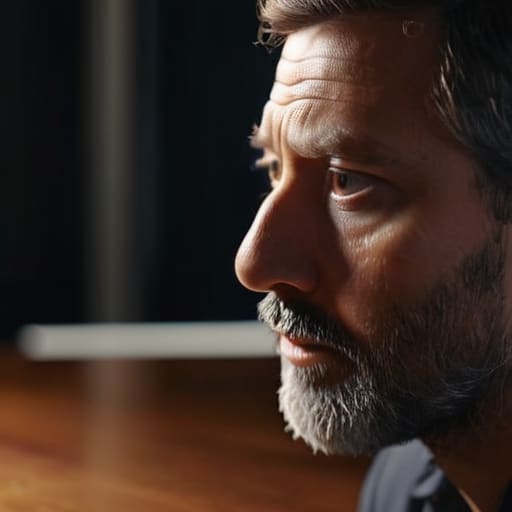
When your pulse starts thudding in your ears, your instinct is to go on the offensive. You want to drop a “gotcha” question to shut them down, but that’s exactly how you lose the thread. Instead of trying to win an argument, you need to pivot toward unbiased questioning strategies that force the guest to do the heavy lifting. If you feel a sharp retort rising, stop. Rephrase your question to start with “Help me understand…” or “What is the logic behind…” This isn’t about being soft; it’s about maintaining objectivity during interviews so you don’t end up with a clip of yourself sounding like a partisan pundit rather than a producer.
I’ve kept a notebook of times I almost derailed a session because I let my own bias leak into the phrasing. If you use loaded adjectives—calling a policy “draconian” or “radical”—you’ve already lost the ability to get a clean, useful answer. You have to treat the interview like a surgical procedure. Focus on the mechanics of their argument rather than the morality of it. If you can’t keep your own temperature down, you aren’t interviewing; you’re just performing your own outrage.
Maintaining Objectivity During Interviews Without Losing Your Mind
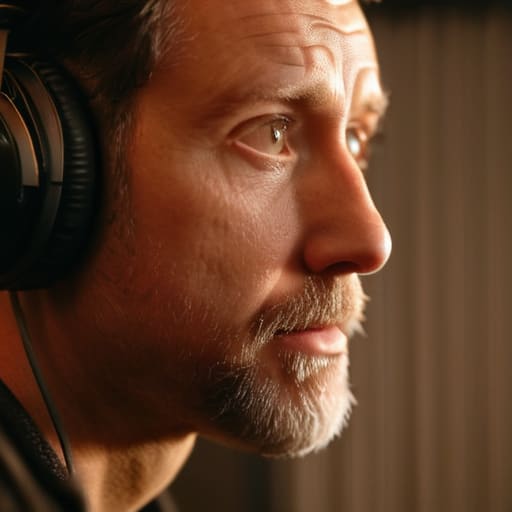
When the guest says something that feels like a direct hit to your personal values, your instinct is to jump in and correct the record. Resist that. The moment you turn into an adversary, you’ve lost the interview. Instead, lean into active listening techniques for difficult conversations. This isn’t about agreeing; it’s about ensuring you actually heard what they said so you can dismantle the logic later. If you’re too busy formulating your rebuttal in your head while they are still speaking, you’ll miss the subtle pivot or the contradiction that actually makes for good audio.
I’ve learned that maintaining objectivity during interviews is less about being a robot and more about managing your own physiological response. If you feel your chest tightening or your face getting hot, take a breath and focus on the technicality of the task. Treat the conversation like a forensic audit. You aren’t there to win a debate; you are there to extract information. If you can view their statements as data points rather than personal insults, you can keep the recording moving without the listener sensing your internal meltdown.
Five ways to keep the recording from turning into a shouting match
- Prep your “exit ramp” questions in advance. When you feel that heat rising in your chest because they’ve said something genuinely offensive or factually wrong, don’t pivot to an argument. Pivot to a pre-planned, neutral question like, “Can you walk me through the logic that led you to that specific conclusion?” It moves the conversation from an emotional collision back to a structural inquiry.
- Watch your mic technique when you’re frustrated. I’ve seen it happen a dozen times: a producer gets annoyed, leans in too close to the mic to deliver a sharp retort, and suddenly the audio is peaking and the proximity effect makes them sound like they’re shouting in the listener’s ear. If you’re losing your cool, lean back. Give yourself physical space to breathe so you don’t ruin the raw file.
- Use the “Steel Man” approach instead of the Straw Man. If you find yourself wanting to misrepresent their point just to make it easier to knock down, stop. Try to frame their argument so well that they actually say, “Yes, that is exactly what I mean.” It’s much harder for a guest to derail a session when you’ve accurately captured their position, and it keeps the tension productive rather than combative.
- Don’t try to “win” the edit. You might have the perfect, cutting rebuttal sitting in your head, but if you spend the interview trying to trap them, you’ll lose the thread of the actual topic. My job in the edit is to find the truth of the conversation, not to help a host perform a victory lap. If the interview becomes a duel, the listener stops learning and starts cringing.
- Record the silence. When a guest says something that makes your blood boil, there is a natural instinct to fill that gap with a defensive comment. Don’t. Let the silence sit for three or four seconds. Often, the guest will feel the need to fill that void, and that’s when they end up revealing the actual nuance—or the actual lack thereof—in their position. It’s better audio, and it’s better journalism.
The Bottom Line
Stop trying to win the argument in your head while they’re still talking; if you’re busy rehearsing your rebuttal, you’ve already stopped being a producer and started being a combatant, which means you’ll miss the follow-up question that actually makes the episode worth listening to.
Treat your microphone like a neutral third party rather than a weapon; if you can sense your own physical tension—tight shoulders, shallow breathing, or a sharp tone—it’s going to show up in the waveform, and no amount of EQ in post-production can fix a hostile vibe.
Your job isn’t to change their mind or to perform your own righteousness for the listeners; it’s to extract the clearest, most coherent version of their argument possible, even if that argument makes you want to walk out of the room.
The Trap of the "Gotcha" Moment
You’ll feel this massive urge to go for the throat the second they say something that makes your skin crawl, but if you pivot to a ‘gotcha’ question, you’ve already lost the episode; you aren’t there to win a debate, you’re there to get the audio that explains why they think the way they do, and a defensive guest is a boring guest.
Nadine Okafor
The Long Game
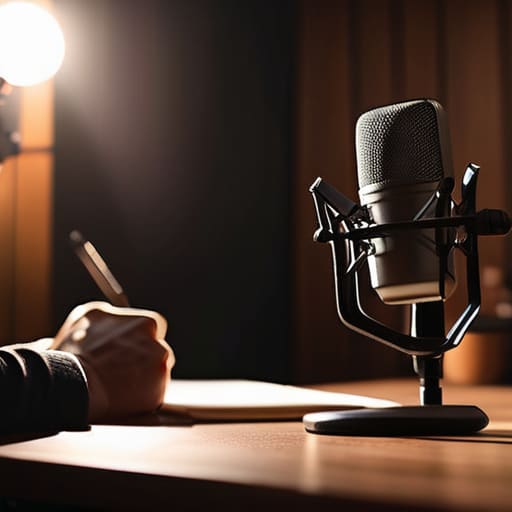
At the end of the day, interviewing someone who gets under your skin isn’t about winning a debate or proving them wrong; it’s about the technical discipline of extraction. You have to manage your physical responses—the racing heart, the tight jaw—and use those specific, open-ended questions to keep the audio moving forward. If you let your bias dictate the edit or your temper dictate the tone, you haven’t just failed the interview; you’ve failed the craft. The goal is to get the most coherent, complete version of their argument onto that SD card, even if it’s an argument you think is complete nonsense.
Don’t expect to feel enlightened every time you hit ‘stop’ on the recorder. Most of the time, you’re just going to feel tired and a bit bruised. But there is a quiet, professional satisfaction in knowing that you held the line and produced a piece of work that is actually worth listening to. Podcasting isn’t about finding people who agree with you so you can build an echo chamber; it’s about the messy, unglamorous work of documenting the world as it is. Stick with the difficult ones. That’s where the real stories—and the real growth—are hiding.




