
I spent three years thinking that if I just bought a more expensive preamp or a better mic, my production schedule would suddenly fix itself. I was wrong. You can have the most pristine signal chain in Birmingham, but if you are trying to record, edit, and release every single week on a whim, you are going to burn out before your tenth episode. Most of the “productivity gurus” online will tell you that learning how to batch record podcast episodes is about finding some magical flow state or optimizing your life with a complex color-coded calendar. It isn’t. It’s actually much more unsexy than that; it’s about building a defensive wall between your creative energy and the inevitable chaos of real life.
I’m not here to sell you a masterclass or a template that requires forty hours of setup. I want to talk about the logistics that actually matter: how to prep your guest list so you aren’t chasing people for weeks, how to manage your own vocal fatigue when you’re doing four interviews in a row, and how to set up your workspace so you aren’t resetting your levels every twenty minutes. This is about practical survival in a medium that demands more consistency than most humans are actually capable of providing.
Podcast Episode Planning for the Long Quiet Months
Planning isn’t about filling a tidy little spreadsheet; it’s about building a buffer so that when a guest inevitably flakes or you’re having a terrible week, your show doesn’t just die. When I look at my podcast episode planning, I’m not looking for “inspiration.” I’m looking for structural integrity. You need to map out your themes at least three months in advance. If you’re just deciding what to talk about on a Tuesday morning, you’ve already lost the battle against burnout.
A solid podcast production workflow requires you to separate the thinking from the doing. Don’t try to research, script, and record in the same sitting. That is a recipe for a messy file and a headache. Instead, spend one week purely on research and outline development. Dedicate the next week strictly to batching audio recording sessions. By decoupling the cognitive heavy lifting from the actual technical execution, you stop treating every episode like a high-stakes crisis and start treating it like the steady, manageable craft it actually is.
Optimizing Your Podcast Production Workflow Before the Chaos
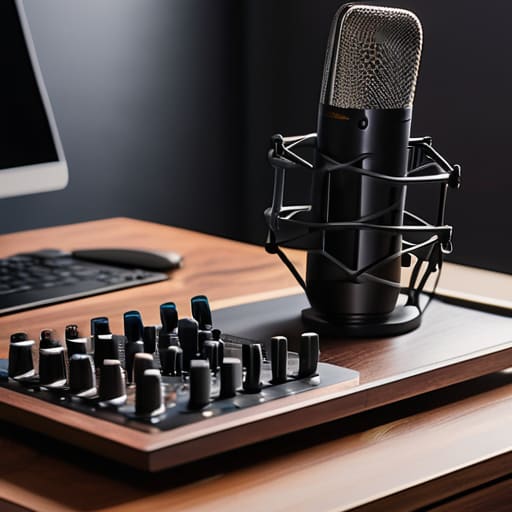
If you want to actually succeed at batching audio recording sessions, you have to stop treating your setup like a hobby and start treating it like a workstation. I spent my first two years constantly moving microphones, hunting for XLR cables, and recalibrating levels because I hadn’t standardized my space. That is a massive waste of energy. You need a dedicated podcast production workflow where your gear stays exactly where it belongs. If it takes you twenty minutes to “get ready” to record, you aren’t batching; you’re just procrastinating with expensive equipment.
The goal here is minimizing recording time by removing every possible friction point. This means having your templates pre-loaded in your DAW, your gain settings dialed in for your specific mic, and your files named using a consistent convention before you even hit record. If you’re still manually naming every file “Interview_Final_v2_ActualFinal,” you’re sabotaging your future self. True podcast workflow optimization isn’t about fancy software; it’s about the boring, repetitive discipline of making sure that when you sit down, the only thing you have to focus on is the conversation.
Five Ways to Stop Batching from Becoming a Total Mess
- Stop trying to record five different show formats in one afternoon. If you have an interview show and a solo deep-dive, record them on separate days. Your voice changes when you switch from “interviewer mode” to “lecturer mode,” and trying to force both into one session is a recipe for an editing nightmare where you’re constantly fighting your own tonal shifts.
- Match your recording days to your energy levels, not your calendar. If you know you’re a morning person, book your heavy-lifting interview slots for 9:00 AM. Don’t schedule a batch of four high-intensity guest interviews for a Thursday afternoon when your brain is already halfway to the weekend; you’ll sound tired, and no amount of EQ is going to fix a lack of presence.
- Use a standardized “Pre-Flight” checklist for every single session in the batch. When you’re doing four episodes back-to-back, you will forget to check your gain levels or realize halfway through the third episode that your mic cable is fraying. Write down the exact settings—sample rate, bit depth, input levels—and check them every single time.
- Build in a “buffer episode” that requires zero guest coordination. This is your insurance policy. It should be something you can record, edit, and ship in a single sitting—a solo commentary or a curated news roundup. When a guest cancels two hours before a scheduled batch session, you don’t panic; you just pivot to the buffer and keep the machine moving.
- Don’t batch the editing with the recording. This is the biggest mistake I see. You might have the energy to record four episodes in a day, but you will not have the mental stamina to edit them all without losing your mind. Record in batches to save time on setup and guest management, but keep your editing sessions separate so you can actually hear the mistakes you’re making.
The Real-World Bottom Line
Batching isn’t a productivity hack to help you climb a ladder; it’s an insurance policy against the inevitable weeks when your life, your gear, or your guests fall apart.
Don’t bother batching if your workflow is still manual and messy; fix your file naming conventions and your folder structures first, or you’ll just be creating a mountain of disorganized chaos faster.
Aim for a three-to-four episode buffer, not a three-month one; any more than that and you lose the ability to react to actual news or shifts in your show’s direction.
The Buffer Against Burnout
Batching isn’t some productivity hack you pick up from a LinkedIn influencer; it’s your insurance policy against the reality that life happens—guests flake, your internet goes down, or you simply hit a wall and can’t find the words for three weeks straight.
Nadine Okafor
The Reality of the Long Game
At the end of the day, batching isn’t some magic productivity hack that turns you into a content machine; it’s just a way to build a defensive perimeter around your show. You’ve got your templates ready, your guest pipeline is actually moving, and you’ve spent the time to ensure your recording environment isn’t working against you. By separating the creative heavy lifting from the repetitive technical grind, you stop reacting to your calendar and start actually managing it. It’s about having that buffer of finished files sitting in a folder, waiting for the moment life inevitably gets in the way of your recording schedule.
I know it feels like a lot of setup work when you could just be hitting ‘record’ right now, but trust me, you’ll thank yourself in six months. There will be a week where you’re sick, or a guest pulls out at the eleventh hour, or you simply lose interest in the topic for a fortnight. In those moments, your show won’t die because you did the unglamorous work upfront. Podcasting is a marathon of persistence over perfection, and batching is simply how you make sure you actually reach the finish line without burning out. Now, stop reading and go prep your next three episodes.




