

I spent three weeks in 2012 convinced that if I just bought a slightly better condenser microphone and a fancy logo, the show would practically produce itself. I didn’t have a map; I just had a microphone and a lot of misplaced confidence. By episode four, I was staring at a pile of half-finished interview notes and a mounting sense of dread because I realized I hadn’t actually figured out how to plan a podcast season before recording anything substantial. Most of the “experts” you see online will tell you that you need a complex content calendar and a $500 software subscription to get started, but they’re usually just trying to sell you a course.
I’m not here to give you a template that looks pretty in a Notion board but falls apart the moment a guest cancels. I want to talk about the actual mechanics of building a season that doesn’t collapse under its own weight by month three. I’m going to show you how to architect your episodes, vet your topics, and build a buffer so you aren’t constantly playing catch-up with your own deadline. This isn’t about being “creative”; it’s about being prepared.
Designing a Podcast Content Calendar Strategy That Actually Holds Up
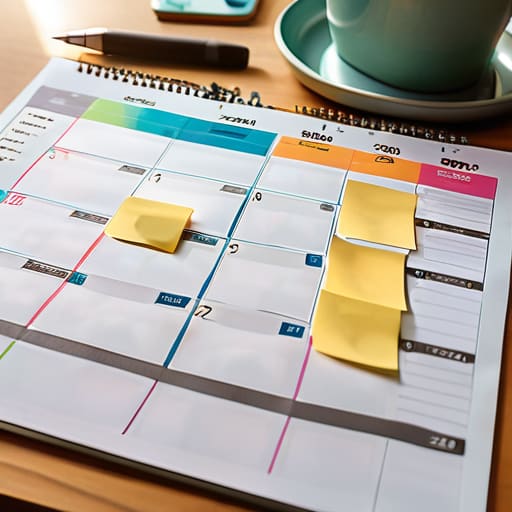
A calendar isn’t just a grid of dates; it’s your defense against the mid-season burnout that kills most shows. When I’m building a podcast content calendar strategy, I don’t just slot in topics; I look for the narrative arc. You need to think about your podcast episode sequencing like you’re building a documentary. If you dump all your heavy, research-intensive investigative pieces in month two, you’ll be too exhausted to finish month four. Mix the heavy lifting with lighter, evergreen interviews to keep the momentum steady without breaking your spirit.
You also need to build “buffer weeks” into your podcast production workflow. I never plan a release schedule that assumes every guest will show up on time and every file will be clean. I build in a two-week gap where nothing is scheduled to go live. This is your safety net for when a guest cancels last minute or a file arrives sounding like it was recorded in a wind tunnel. If you don’t plan for the inevitable chaos, your calendar isn’t a strategy—it’s just a wish list.
Building a Pre Production Checklist for Podcasters to Avoid Burnout
Burnout isn’t usually caused by the recording itself; it’s the mental sludge of wondering what you’re supposed to be doing next. If you don’t have a formal pre-production checklist for podcasters, you’ll find yourself at 11:00 PM on a Tuesday trying to remember if you actually booked the guest for next week or if you just thought about booking them. A real checklist needs to cover the unsexy stuff: verifying mic setups, confirming guest time zones, and ensuring your research notes aren’t just a mess of half-baked ideas.
I’ve seen too many creators hit a wall because they treated their podcast production workflow like a suggestion rather than a rulebook. You need to bake “buffer time” into your sequence. If you plan to release one episode every Tuesday, your checklist should aim to have three episodes fully edited and ready to go before the first one even airs. Don’t aim for perfection on every single file; aim for a repeatable process. Once the logistics are automated, you actually have the headspace to focus on the audio, rather than just surviving the week.
Five Things to Fix Before You Hit Record
- Map your episodes to a specific arc, not just a list of topics. If you don’t know how Episode 1 connects to Episode 8, you aren’t making a season; you’re just making a collection of random audio files that will feel disjointed to anyone actually listening.
- Build a buffer of at least three completed, edited episodes before you launch. I’ve seen too many beginners burn out in week four because they thought they could edit, upload, and promote in real-time. You can’t, and the moment life gets messy, your schedule will collapse.
- Stress-test your guest list by identifying “Plan B” and “Plan C” options for every single slot. People cancel. They get sick, they lose their internet connection, or they simply ghost you. If your entire season relies on one specific expert who is notoriously difficult to reach, you’re asking for a crisis.
- Define your technical minimums for every recording environment. Don’t just assume a guest will have a good mic; tell them exactly what they need—like a wired headset or a quiet room with soft furnishings—and have a backup plan for when they show up with a laptop mic in a tiled kitchen.
- Hard-code your release frequency into your calendar. Decide now if you are weekly, bi-weekly, or seasonal, and stick to it. Consistency isn’t about being a perfectionist; it’s about training your audience’s habits so they actually know when to look for you.
The Bottom Line Before You Hit Record
Stop planning episode-by-episode; map out your entire season arc first so you aren’t scrambling for a coherent thread halfway through month three.
Build a buffer of at least three fully edited episodes before you launch, or the inevitable week where life gets in the way will kill your momentum and your sanity.
Your calendar isn’t just for recording dates; it needs to account for the actual time it takes to research, prep, edit, and show-note, otherwise your “weekly” schedule will collapse by week four.
The Trap of Spontaneity
“Don’t mistake ‘winging it’ for authenticity. If you don’t have at least four episodes mapped out and ready to go before you even hit record on episode one, you aren’t building a show—you’re just documenting your own slow descent into burnout.”
Nadine Okafor
The Reality Check Before You Hit Record

Look, you can have the most expensive Shure SM7B on your desk and a studio treated with professional acoustic foam, but if you haven’t mapped out your content calendar or built a checklist that accounts for the inevitable guest cancellation, you’re just making noise. Planning a season isn’t about being a perfectionist; it’s about creating a buffer between your creative intent and the messy reality of production. By organizing your themes and pre-production tasks now, you aren’t just avoiding burnout—you are ensuring that when you finally sit down to edit, you aren’t staring at a pile of unorganized files and wondering why you even started this in the first place.
At the end of the day, the craft of podcasting is a marathon of attrition. There will be weeks where the workflow feels heavy and the listener numbers feel stagnant, but that is where the real work happens. Don’t let the fear of a messy first season stop you from pressing record, but don’t let a lack of preparation make the process harder than it needs to be. Build your structure, respect your timeline, and then get out of your own way. The world doesn’t need more perfectly polished, aimless podcasts; it needs your voice, delivered with the discipline of a professional.




