I once spent three hours editing a documentary segment only to realize the guest’s “perfect” insight was completely undermined by the fact that they were recording in a kitchen with a humming refrigerator and a distracted toddler. I had the content, but I didn’t have the control. Most people think learning how to run a pre interview call is about being polite or checking if the guest is excited; they treat it like a social nicety. It isn’t. It’s a technical and psychological audit. If you aren’t using that time to sniff out bad acoustics or a guest who is prone to one-word answers, you aren’t “pre-interviewing,” you’re just wasting your own time.
I’m not here to sell you a “Masterclass” or a twenty-page PDF of conversational icebreakers. I want to show you the unsexy mechanics of what actually makes a recording session go smoothly. We’re going to talk about the specific technical checks you need to run, how to vet a guest’s temperament before they’re on the clock, and how to set boundaries so you don’t end up with a mountain of unusable audio. This is about protecting your edit before you even hit the record button.
Beyond the Script Using Recruiter Screening Questions
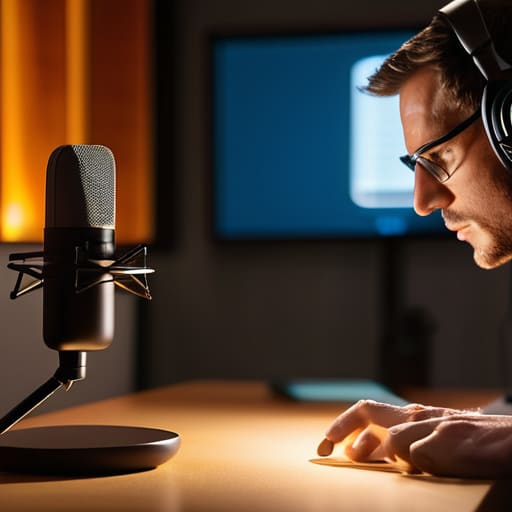
Think of this part of the call as your own version of recruiter screening questions. In recruitment, they use these to filter out people who look good on paper but can’t actually do the job; in podcasting, you’re doing the same thing to protect your production schedule. I don’t care how many followers a guest has if they can’t articulate a coherent thought without a ten-second pause every time they breathe. Use this time to probe for their narrative arc. If they can’t summarize their main argument in three minutes during a casual chat, they aren’t going to give you a clean thirty-minute interview later.
This is also where you handle the logistics of personality. I like to treat this as an initial phone screen checklist for their technical environment. Ask them exactly what they’ll be using to record and if they have a quiet space. If they start making excuses about why they can’t find a room without a humming refrigerator, you’ve just saved yourself three hours of surgical EQ work in post-production. It’s better to realize they’re a “difficult” guest now than when you’re staring at a waveform that looks like a mountain range.
The Initial Phone Screen Checklist for Real People
I don’t care how much you love your concept; if your guest can’t articulate their core argument in thirty seconds, your episode is going to drag. When I put together an initial phone screen checklist, I’m not looking for a biography. I’m looking for the “hook.” I need to know if they have a point of view that isn’t just a recycled press release. Ask them: “If you had to explain your main thesis to someone in a crowded pub, what would you say?” If they stumble or give you a word salad, you know right then that you’ll be spending six hours in post-production trying to edit out the fluff.
You also need to treat this like a mini-audit of their environment. This isn’t just about their personality; it’s about screening for technical skills—or at least, basic audio literacy. Ask them what hardware they’re using and if they have a quiet space. If they sound like they’re recording inside a wind tunnel or a moving car, you need to decide now if that’s a stylistic choice or a dealbreaker. Don’t wait until the actual recording session to realize your guest is a technical nightmare.
Five things to watch for when you’re actually on the line
- Check their tech setup before you get comfortable. Don’t just assume they have a decent mic; ask them if they’re using built-in laptop audio or a headset. If they’re recording in a tiled bathroom or a room with a massive echo, you need to know that now, not when you’re halfway through a high-stakes segment.
- Test their “energy” levels. Some guests are brilliant on paper but have the vocal presence of a damp sponge. Use the pre-call to see if they can actually carry a conversation or if you’re going to spend forty minutes dragging sentences out of them.
- Confirm the “hard stop.” I can’t tell you how many times I’ve been mid-question only to have a guest cut me off because they had a Zoom call starting in five minutes. Get the exact time they need to hang up and write it in your notes.
- Identify the “sacred cows.” Ask them straight out if there are any topics that are strictly off-limits. It’s much better to find out they won’t talk about their recent business merger during a prep call than to hit a wall of silence during the actual recording.
- Establish the “Plan B” for technical failure. If the internet drops or their audio turns into a garbled mess, what’s the fallback? Decide if you’ll switch to a phone line or if you’re just going to reschedule. Having this decided beforehand prevents that panicked, awkward silence when things go sideways.
The Bottom Line
Treat the pre-call as a technical audit, not just a chat; if they can’t figure out how to use a decent pair of headphones or a quiet room now, your edit is going to be a nightmare later.
Listen for the “drift”—if they can’t answer basic questions about why they’re there or what the show is about, they’re going to be a liability when you actually start recording.
Use this time to build a rapport that survives the recording; a guest who feels comfortable during a low-stakes phone call is much more likely to give you those gold-standard answers when the red light is on.
## The Real Reason for the Pre-Call
A pre-interview call isn’t a rehearsal; it’s a diagnostic test. You aren’t checking if they can answer your questions—you’re checking if they can actually hold a conversation without making you spend four hours in post-production trying to fix their technical setup or their tendency to ramble for ten minutes straight.
Nadine Okafor
The Reality Check
At the end of the day, the pre-interview call isn’t about checking boxes or making sure their microphone doesn’t sound like they’re trapped in a tin can—though you absolutely need to check that too. It’s about vetting the human on the other end of the line. You’re looking for the person who can actually hold a narrative arc, the one who doesn’t need a script to be interesting, and the one who won’t ghost you forty-eight hours before the recording session. If you’ve used the screening questions to find the gold and the checklist to catch the technical red flags, you’ve already done the heavy lifting. You aren’t just preparing for a recording; you are building a safety net for the actual production phase.
Look, there will still be days when the guest is difficult or the audio is a mess despite your best efforts. That is just the job. But if you treat these calls as a non-negotiable part of your workflow rather than an annoying chore, you will save yourself dozens of hours of frustrated editing and a lot of wasted breath. Podcasting is a game of attrition, and the best way to win is to stop fighting preventable fires. Get the prep right, trust your gut when something feels off, and then go make something worth hearing.