

I remember sitting in a dark studio in Birmingham, staring at a waveform that looked like a flat line, wondering why I’d bothered to record a forty-minute interview with a man who had absolutely nothing to say. I had spent three weeks prepping, only to realize halfway through the edit that the spark was gone and I was just moving blocks of silence around. If you’re currently staring at your own timeline feeling that same heavy, hollow sensation, you don’t need a “mindset shift” or a new productivity app; you need to figure out how to deal with a project that got boring before you end up deleting the entire folder in a fit of rage.
I’m not going to give you a pep talk or tell you to “find your passion” again. Instead, I want to talk about the mechanical fixes—the actual, unglamorous ways to salvage a production when the initial adrenaline has evaporated. We’re going to look at how to tighten your edit to save a dragging narrative, how to pivot your interview questions when the guest is a dud, and how to recognize when a project is actually dead versus when it just needs a surgical intervention.
Managing Burnout and Monotony Without Quitting
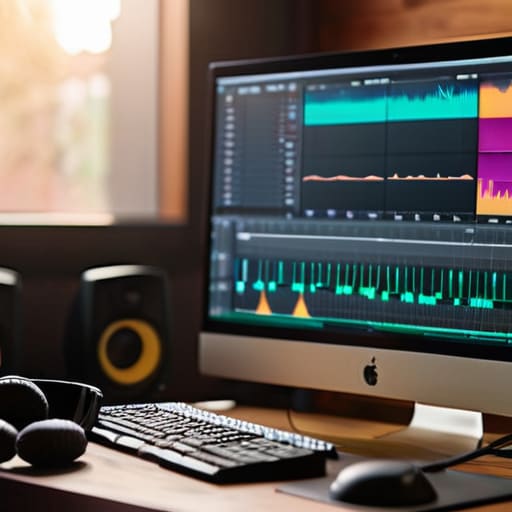
When you’re ten episodes into a series and the edit feels like chewing through dry toast, you aren’t failing; you’re just hitting the wall of maintaining momentum during repetitive work. The mistake I see most people make is trying to force a burst of inspiration that isn’t coming. You can’t “manifest” your way out of a technical slog. Instead, I look at the workflow. If the monotony is coming from the sheer volume of cleaning up mouth clicks and breaths, I change the environment. I move from my desk to a different chair, or I switch my monitoring from headphones to studio monitors just to change the tactile sensation of the task.
If the boredom is deeper—if it’s a lack of interest in the subject matter itself—you need to look at the psychology of task engagement. Sometimes, the best way to handle managing burnout and monotony isn’t to work harder, but to work differently. I’ll stop the edit and spend an hour doing something entirely unrelated to audio, like stripping a gear from an old Akai tape deck. It gives the brain a reset. You have to treat your focus like a piece of aging hardware; you can’t just run it at 100% capacity indefinitely without expecting a breakdown.
Maintaining Momentum During Repetitive Work

The problem with long-form series is that the tenth episode often feels like a chore compared to the pilot. When you’re stuck in the weeds of cleaning up mouth clicks and leveling audio for the hundredth time, you aren’t looking for “reigniting creative passion”—that’s a marketing term. You’re looking for a way to stop the clock from dragging. I’ve found that the best way to handle maintaining momentum during repetitive work is to stop treating the edit like an artistic endeavor and start treating it like an assembly line. Set a timer for 90 minutes, put your phone in another room, and commit to nothing but the waveform.
If the monotony is actually causing you to stall, you need to look at the psychology of task engagement rather than waiting for inspiration to strike. I don’t do “creative reframing” when I’m tired; I do batching. I’ll spend an entire Tuesday just doing noise reduction across four different files, or an entire Wednesday just cutting out the “ums” and “ahs.” By grouping the most mindless, repetitive parts of the process together, you stop the constant context-switching that makes a project feel like a mountain you can’t climb.
Five ways to stop staring at the waveform and start moving again
- Audit your workflow for friction. If you’re bored because you’re spending four hours a week doing the same manual volume normalization that could be handled by a preset, fix the preset. Boredom often hides the fact that your process is inefficient, and inefficiency is just a slow way to burn out.
- Change your monitoring environment. If you’ve been editing in the same chair with the same Sennheiser headphones for six months, your ears are lying to you and your brain is checking out. Switch to studio monitors for an hour, or even just move to a different room. A change in acoustic perspective can force your brain to actually listen again instead of just skimming.
- Set a hard “edit cap” per session. I used to think more time meant better audio, but I was just spinning my wheels on the same three-second silence. Give yourself a strict two-hour window to tackle a specific segment. When the timer hits zero, you stop. It forces you to make decisions rather than drifting into a trance.
- Reintroduce a variable. If every episode follows the exact same structural template, you’re essentially just performing data entry. Try a different interview style, or change the way you use ambient beds in the transitions. You don’t need to reinvent the show, but you do need to give yourself something new to react to in the edit.
- Look at the raw files, not just the timeline. When I get stuck in a rut, I go back to the unedited rushes. I look for those “perfect but irrelevant” moments I usually cut—the bits that didn’t make the final mix but show the human side of the guest. Sometimes finding one good, discarded sentence is enough to remind you why you actually liked this subject in the first place.
The Reality Check
Stop looking for a spark of inspiration to fix the boredom; instead, look at your workflow and find the one repetitive task that is draining your battery, then automate it or change your environment.
Accept that there will be months where the “creative” part of your job is just moving files and fixing levels, and stop treating those periods like a failure of your talent.
Keep a “graveyard” folder of your best rejected clips—not for ego, but as a tangible reminder that the work you are doing, even when it feels like a slog, is still producing something worth saving.
The Myth of the Spark
You’re going to be waiting for a surge of inspiration that isn’t coming. When the project stops feeling like a discovery and starts feeling like a chore, stop looking for a way to make it “fun” and start looking at your workflow. Usually, the boredom isn’t a lack of passion; it’s just a sign that your process has become a repetitive loop that needs a tighter edit or a better system.
Nadine Okafor
The Long Game

Look, there isn’t a secret plugin or a fancy workflow that makes the tedious parts of production disappear. We’ve covered how to manage the burnout, how to tighten your technical processes to stop the repetition from feeling like a slog, and how to identify when a slump is just a natural part of the cycle. It comes down to the basics: fix your room, fix your schedule, and stop expecting every episode to feel like a lightning bolt of inspiration. Most of the work is just showing up and doing the math—the levels, the cuts, and the repetitive cleaning of audio files. If you can manage the monotony without letting it break your spirit, you’re already ahead of half the people starting out.
At the end of the day, the projects that actually matter aren’t the ones that were easy or “fun” every single week. They are the ones that survived the eight-month stretches where the numbers stayed flat and the excitement ran dry. Podcasting is a marathon of attrition, and the craft is found in the discipline of the middle. Don’t wait for the spark to return before you finish the edit; finish the edit, and the spark will usually find you again once the work is done. Keep your head down, keep your levels consistent, and just keep moving.




