
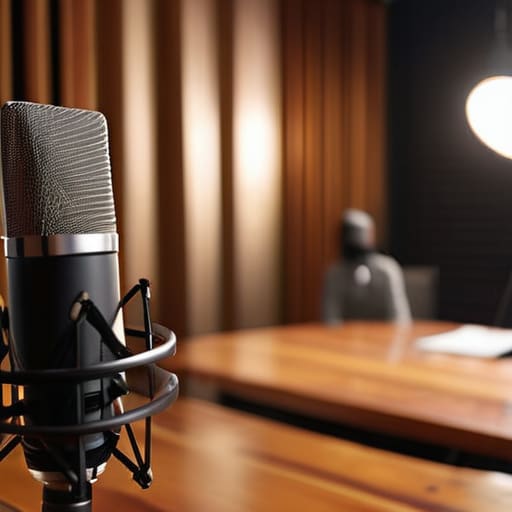
I was sitting in my studio last Tuesday, staring at a waveform that looked like a mountain range, when it hit me: my guest had just spent ten minutes confidently describing an event that never actually happened. It’s that sinking feeling in your gut when you realize the narrative is drifting into fiction right under your nose. Most “expert” gurus will tell you to buy a specialized recording setup or hire a fact-checker to prevent this, but they’re selling you smoke. The reality is much messier. Knowing how to handle a guest who misremembers facts isn’t about having a PhD in research; it’s about the split-second decision you make while the red light is still blinking.
I’m not here to give you a lecture on journalistic ethics or suggest you buy a $500 masterclass. I want to talk about what happens in the room—or on the Zoom call—when the truth starts to bend. I’m going to walk you through the actual, unglamorous mechanics of how to steer a conversation back to reality without making your guest feel like they’re being interrogated. We’ll look at the specific ways to pivot during the interview and, more importantly, how to fix the damage in the edit without losing the soul of the episode.
Polite Ways to Correct Someone Without Killing the Vibe

You can’t exactly jump in with a “Actually, you’re wrong” without making the guest shut down for the next twenty minutes. If they feel interrogated, the warmth leaves the room, and once that’s gone, you’re just recording two people staring at each other in silence. I’ve found that the best diplomatic communication techniques involve the “soft pivot.” Instead of a direct contradiction, try framing it as your own confusion or a need for clarification. Something like, “Wait, I might have my notes mixed up, but I thought the date was 1994—could we double-check that?” It shifts the tension away from their error and onto your “mistake,” which is a much easier pill for them to swallow.
If you’re recording live and the error is minor, sometimes the best move for preserving guest comfort is to let it slide entirely. If the mistake doesn’t derail the core thesis of the episode, don’t fix it in the room. You can always add a brief producer’s note in the show notes or a quick verbal correction during the intro of the edit. It keeps the energy flowing and prevents that awkward, stilted feeling that ruins a good interview.
Diplomatic Communication Techniques for Real Time Fact Checking
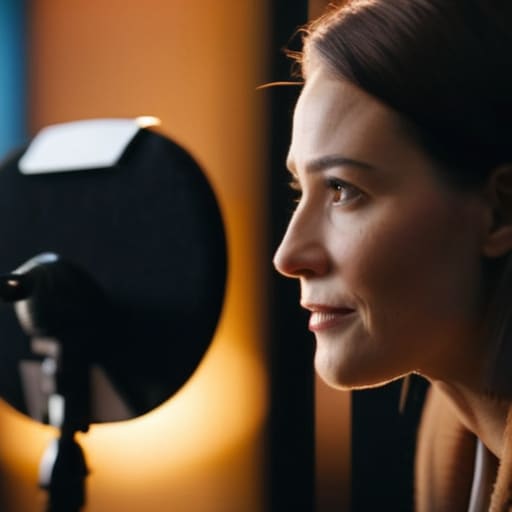
If you’re mid-interview and realize your guest is drifting into fiction, your biggest hurdle isn’t the inaccuracy—it’s managing social awkwardness without making them feel like they’re being interrogated. I’ve learned that the “Yes, and…” approach from improv works wonders here. Instead of a hard stop, try a soft pivot. You might say, “That’s a fascinating perspective on that period; I actually read a study recently that suggested [correct fact], how does that sit with your experience?” This uses diplomatic communication techniques to frame the correction as a way to deepen the conversation rather than a way to win an argument.
The goal is preserving guest comfort so they don’t shut down or get defensive, which kills the energy of the entire session. If the error is minor, let it go and fix it in the edit with a quick disclaimer or a producer’s note. But if they are confidently stating something that will fundamentally mislead your audience, you have to step in. Use a “curiosity bridge”—ask a follow-up question that nudges them toward the truth. It’s about steering the ship without making the guest feel like they’ve hit a reef.
The Post-Production Safety Net: 5 Ways to Save the Episode
- The “Verbatim vs. Context” Rule. If they say something factually wrong but it’s crucial to their emotional arc, keep the quote but use a quick, dry voiceover or a text overlay in the show notes to clarify. Don’t butcher their performance just to fix a date or a name if the mistake doesn’t change the core meaning of the story.
- Build a “Correction Buffer” in your edit. If you have to cut a blatant lie or a massive error, don’t just leave a vacuum. Use a bridge—a short piece of transitional music or a brief sentence from you—to reset the listener’s brain before moving to the next point. It prevents the edit from feeling like a jump cut in a bad soap opera.
- Use the “Clarification Prompt” technique. If you catch a mistake in real-time and it’s too big to ignore, don’t say “You’re wrong.” Say, “Wait, I might have my wires crossed, but I thought the year was 1994—did that change in your timeline?” It lets them save face while still getting the correct information on the record.
- The “Show Notes Disclaimer” fallback. Sometimes, the mistake is subtle enough that a correction in the audio would sound pedantic and ruin the flow. In these cases, let it go in the recording and put a clear, bold correction in the first two lines of your episode description. It’s better for your credibility than a clunky mid-sentence interruption.
- Pre-interview “Fact-Sheet” alignment. This is more about prevention than fixing. Send your guest a brief list of the specific dates, names, or events you intend to cover 48 hours before you hit record. It gives them a chance to look up the actual numbers so you aren’t spending half your recording session playing Wikipedia detective.
The Producer's Cheat Sheet
Don’t treat a factual error like a trial; if the mistake doesn’t derail the core argument of the episode, it’s usually better to let the guest save face and handle the nuance in the edit or a follow-up note.
Your job is to protect the integrity of the audio, not to win an argument, so use “curiosity-based” questions—like “That’s interesting, I had it recorded as X, how do you reconcile that?”—to nudge them back to reality without causing a shutdown.
Always keep a separate log of these moments during the session; knowing exactly where the drift happened saves you three hours of frantic scrubbing when you’re staring at a waveform at 2:00 AM trying to find where the truth went sideways.
The Edit vs. The Interview
You have two choices when a guest goes off the rails with the facts: you either find a way to steer them back in the room without making them feel like they’re under interrogation, or you prepare yourself for the heavy lifting in post-production. I’ve spent more hours than I care to admit trying to smooth over a factual error with a clever bridge in the edit, but honestly? It’s much easier to spend thirty seconds being a little bit awkward in the moment than it is to spend three hours trying to fix a broken narrative later.
Nadine Okafor
The Final Cut

At the end of the day, you’re balancing two competing priorities: the integrity of your content and the comfort of the person sitting across from you. You’ve got your toolkit now—knowing when to use a soft “I thought it was X” to nudge them back on track, and knowing when to just let the error slide because the emotional truth of the story is more important than a specific date or a middle name. Remember that your job isn’t to be a courtroom stenographer; it’s to be a curator of a compelling narrative. If you can manage the correction without making the guest feel like they’re being interrogated, you’ll walk away with a much cleaner edit and a much more trusting relationship for the next episode.
If you’re feeling a bit of imposter syndrome because you had to steer a guest back to reality, don’t. Every veteran producer I know has a folder full of “near-disasters” that they eventually smoothed over in post-production. Podcasting is a messy, unglamorous, and deeply human medium, and perfection is rarely the goal. The goal is clarity and connection. Keep your levels steady, keep your facts straight, and don’t let a single misplaced statistic ruin a great conversation. You’ve got this.




