

I still remember a session back in the mid-2000s where I sat across from a brilliant academic who was so terrified of the microphone that she spent forty minutes apologizing for her “lack of charisma.” I had all the expensive pre-interview briefing documents you see in those $500 masterclasses, but they were useless because I hadn’t addressed the actual human sitting in front of me. If you are currently staring at a calendar invite wondering how to prepare a guest who has never been interviewed without making them feel like they’re being interrogated by the police, stop looking for a complex template. The secret isn’t a better PDF; it’s about managing the psychological friction that happens the moment a person realizes they are being recorded.
I’m not here to give you a polished checklist that looks good on LinkedIn. I want to talk about the uncomfortable realities of the job: how to handle the mid-sentence panic, how to explain technical setup without sounding condescending, and how to build enough rapport that they actually forget the mic is there. I’m going to show you exactly what I do to ensure your first session doesn’t end in a nervous silence or a wasted hour of editing.
Fixing the Panic Through Proper Podcast Guest Onboarding Process

The biggest mistake I see is treating the arrival of a guest like a surprise party. If you just sit them down and hit ‘record,’ you’ve already lost. You need a functional podcast guest onboarding process that starts days before they ever see a microphone. I’m talking about a simple, plain-English email that outlines exactly what the session looks like: how long it will take, where they’ll sit, and what the vibe is. When you spend time setting guest expectations early, you strip away that invisible layer of dread that comes from the unknown.
Once they’re actually in the room, don’t dive straight into the heavy stuff. I always insist on a brief interview question walkthrough. We don’t go line-by-line—that kills the flow—but I’ll give them the general arc of the conversation so they know where we’re heading. It’s about building guest confidence through familiarity. If they know they aren’t being walked into a trap, they’ll stop fidgeting with their sleeves and actually start talking.
Building Guest Confidence Before the Red Light Goes on
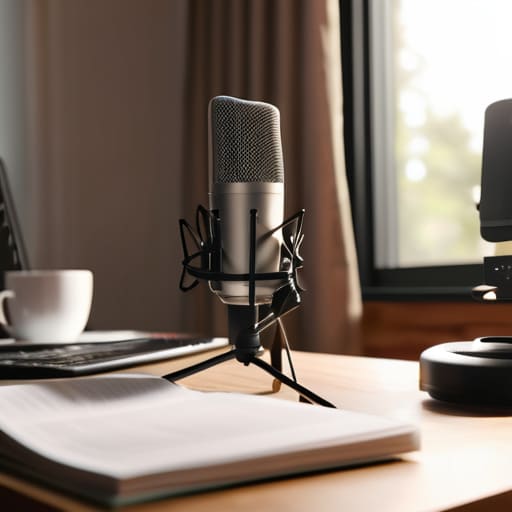
Confidence isn’t something you can just “wish” into a guest once they’re sitting in front of a microphone; it’s something you engineer beforehand. I’ve seen brilliant experts turn into stuttering wrecks because they walked into a studio blind. To prevent this, you need to implement specific pre-interview briefing techniques that demystify the actual mechanics of the recording. Send them a short, plain-text email—not a massive PDF they won’t read—explaining exactly how long we’ll be talking, what the tech looks like, and that I will be the one handling the technical heavy lifting so they don’t have to.
One of my favorite ways of building guest confidence is the informal interview question walkthrough. About twenty minutes before we hit record, sit down with them—or hop on a quick Zoom if it’s remote—and run through the general arc of the conversation. Don’t give them a script, because that leads to a robotic, unnatural delivery, but do give them the “shape” of the episode. When they know that the middle section is about their early career and the end is a lightning round, that frantic “what comes next?” energy disappears.
Five things to do before you hit record
- Send them a “cheat sheet” that isn’t a cheat sheet. Don’t send a 10-page PDF of your life story; send three bullet points of what you want to talk about and one sentence on how the tech works. If they know they aren’t being tested on their ability to use Zoom, they’ll stop sweating.
- The “No-Stupid-Questions” buffer. Spend the first ten minutes of your actual recording time—the time they think is just “chatting”—asking them about the most boring part of their day. It gets their vocal cords moving and breaks the habit of them giving one-word, defensive answers.
- Explain the “Edit” safety net. Most first-timers are terrified of saying something “wrong.” Tell them explicitly: “If you stumble, or if you say something and realize halfway through the sentence that it was rubbish, just stop, take a breath, and start that thought again.” Knowing I can cut the mistake out of the final file is the fastest way to lower their cortisol.
- Brief them on the “Microphone Dance.” People tend to lean back or turn their heads when they get excited or think about a difficult answer. Tell them beforehand: “Try to keep your chin roughly parallel to the floor; if you turn away from the mic, you’ll disappear from the mix.” It sounds technical, but it saves me twenty minutes of trying to fix volume jumps in post.
- Run a tech dry run that actually tests their environment. Don’t just ask “can you hear me?” Ask them to move a chair or open a window so you can hear the change. If they’re on a laptop in a kitchen with a humming fridge, you need to know that now, not when you’re twenty minutes into a deep dive and the background noise is drowning out their best insights.
The Bottom Line
Stop sending them a 10-page PDF of “house rules”; send a three-sentence email that tells them exactly what they need to do, what they need to wear, and—most importantly—that you’ve got their back if they mess up.
Treat the first ten minutes like a technical rehearsal, not a social call; check their levels and their mic placement while you’re just chatting so the actual interview doesn’t start with the jarring sound of them adjusting their headset.
Remind them that “perfect” is a lie; tell them upfront that I’ll be cutting out the “ums” and the long pauses in post-production, because knowing they have a safety net is the fastest way to get them to actually relax.
The Myth of the Spontaneous Genius
Stop telling first-timers that you want them to ‘just be themselves’ and ‘be natural.’ To someone who’s never seen a waveform, that sounds like a trap. Instead, give them the boring stuff: tell them exactly how long the recording will last, tell them that you’ll handle the technical hiccups so they don’t have to, and tell them that if they stumble, we just hit pause and start the sentence again. Confidence doesn’t come from being a natural; it comes from knowing exactly what the floor feels like under your feet.
Nadine Okafor
The Reality of the Red Light
At the end of the day, preparing a guest isn’t about handing them a twenty-page PDF of technical specifications or a list of “dos and don’ts” that they won’t read anyway. It is about managing the friction between their expertise and their anxiety. You do this by being clear about the tech, setting the expectation that mistakes are expected, and making sure they know exactly what the physical environment will feel like before they even step into the room. If you handle the onboarding and the pre-interview nerves with a bit of practical transparency, you aren’t just protecting your audio quality; you are protecting the guest from themselves.
Don’t let the fear of a “bad” interview stop you from hitting record. Most of the time, the most profound, unscripted moments happen right after a guest finally stops trying to sound like an expert and starts sounding like a human being. You will likely spend hours in your DAW cleaning up the “ums” and the awkward pauses, but that is just the job. Focus on the connection, not the perfection. If you treat your guests like partners in the craft rather than just content sources, you’ll find that the best episodes are usually the ones that felt a little bit messy while they were happening.




