

I once spent three hours in a drafty community hall in Birmingham, staring at a soundboard that refused to cooperate while a handful of people sat in folding chairs, looking more confused than engaged. Everyone tells you that learning how to run a live event for listeners is about “community building” and “brand synergy,” but they never mention the sheer, unadulterated panic of a feedback loop that won’t stop shrieking or the realization that your venue’s acoustics are absolute garbage. You don’t need a massive marketing budget or a fancy stage to make this work; you just need to survive the logistics without losing your mind.
I’m not here to sell you a masterclass on “creating magical experiences.” I’m here to talk about the actual, unglamorous mechanics of what happens when you step out from behind the microphone. I’ll give you the specific checklists for gear, the realistic ways to handle a guest who shows up late, and how to manage the room when the energy inevitably dips. This is about the practical reality of live production—the stuff that actually breaks and how you fix it so you can actually enjoy the show.
Venue Selection and the Logistics That Actually Break
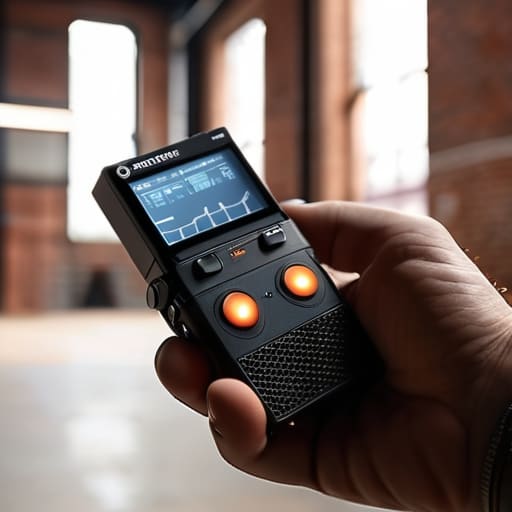
When you start looking at event venue selection, don’t just pick the place with the prettiest lighting or the easiest parking. I’ve seen too many producers walk into a “perfect” loft space only to realize the ceiling is a literal echo chamber that turns a crisp interview into a muddy mess. You need to walk the room with a recorder in hand. If you can’t control the ambient noise—the hum of a commercial fridge or the traffic outside—your audio will suffer, and no amount of post-production EQ can fix a bad room.
Beyond the acoustics, you have to nail the live event technical requirements before you even think about tickets. I’m talking about the unglamorous stuff: how many power outlets are actually live, whether the Wi-Fi can handle a simultaneous livestream, and if there’s a dedicated space for your gear to breathe. Most people spend all their energy on an event marketing checklist and forget that managing event logistics means having a backup plan for when a single faulty XLR cable threatens to derail the entire evening.
Audience Engagement Strategies That Arent Just Polished Scripts

Stop trying to script your way through a live room. The second you start reading from a teleprompter or a rigid outline, you lose the very thing that makes people show up: the sense of being in a room with real people. Most audience engagement strategies you’ll find online are just fancy ways of saying “ask them questions,” but that’s not enough. You need to build in intentional breathing room. If a listener asks a question that takes you down a fascinating, unplanned rabbit hole, follow it. That’s where the magic happens, even if it throws your timing off by fifteen minutes.
Instead of a polished monologue, think of your set as a structured conversation. If you’re doing podcast listener meetups, the goal isn’t to deliver a lecture; it’s to facilitate a shared experience. I always tell people to prepare three “safety” topics for when the energy dips, but otherwise, let the room dictate the flow. If you spend all your energy on an event marketing checklist and zero energy on how to actually listen to the room, you’ll end up with a group of people staring at their phones.
Five Things That Will Save Your Sanity When the Lights Go Up
- Check your signal chain twice. I don’t care if the venue says they have a “house system”—that usually means a single XLR input and a prayer. Bring your own mixer, your own DI boxes, and enough spare cables to outfit a small orchestra. If you’re recording the audio for a later release, make sure you’re running a redundant track to a dedicated recorder, not just relying on the laptop that’s currently running seventeen Chrome tabs.
- Plan for the “dead air” moments. When you’re recording in a studio, you can edit out a three-second pause where you’re looking for a file. In a live room, that silence feels like an eternity and makes the audience check their phones. Have a “buffer” list of questions or anecdotes ready to go so you aren’t standing there staring at your guest while you try to remember what you were saying.
- Manage the microphone distance. People get nervous or excited in person and they either lean way back or practically eat the foam windscreen. If you’re using handhelds, tell them exactly where the “sweet spot” is. If you’re using condensers on stands, make sure they are weighted down so someone doesn’t accidentally nudge them while gesturing.
- Prepare for the “unfiltered” listener. You’ll likely have a Q&A session, and you need to be the gatekeeper. If you let a listener go on a five-minute tangent about their own life, you’ve lost the room. I always tell people to keep questions to one sentence, or I’ll step in and pivot. It’s not being rude; it’s being a producer.
- Have a “Plan B” for the tech failing. If your laptop decides to run a mandatory Windows update mid-set, what happens? If your wireless mic hits interference from a nearby cell tower, what’s the backup? Always have a wired alternative within arm’s reach. You can’t apologize your way out of a silent room.
The Hard Truths to Carry Away
Treat your technical setup like a disaster movie; if you haven’t tested the signal chain, the room’s acoustics, and the backup power source three times, you haven’t tested them at all.
Abandon the idea of a perfect, scripted flow and instead prepare for the messy reality of guest tangents and audience interruptions—that’s where the actual connection happens.
Focus less on the “spectacle” and more on the logistics of the room, because a brilliant conversation is useless if the person in the back row can’t hear a single word.
The Myth of the Polished Show
Stop obsessing over your opening monologue and start obsessing over the Wi-Fi strength and the venue’s HVAC system; you can survive a stumble in your speech, but you can’t survive thirty people sitting in a silent, sweltering room because your tech failed or the acoustics turned your voice into a muddy mess.
Nadine Okafor
The Aftermath and the Reality Check
At the end of the day, running a live show isn’t about the flawless execution of a marketing plan; it’s about how you handle the unpredictable friction of the real world. You’ve checked your gain levels, you’ve scouted the room for acoustic nightmares, and you’ve prepared for the possibility that your guest might show up late or your mic might clip. If you’ve managed to keep the audio clean and the audience feeling like they aren’t just watching a recording of a recording, you’ve already won. Don’t obsess over the three people who didn’t show up or the one question that went unanswered; focus on the fact that you actually built a bridge between your digital feed and a room full of breathing, reacting humans.
There will be nights when the tech fails and the room feels cavernous and quiet, and there will be nights when the energy is so high you forget you’re even working. Both are part of the job. Podcasting can be an incredibly lonely, solitary craft, spent staring at waveforms in a dark room, so don’t undervalue the sheer importance of showing up in person. It’s messy, it’s exhausting, and it’s often much harder than hitting ‘publish’ on a remote edit, but it is where the real connection happens. Get the gear ready, double-check your backup recorders, and just get on with it.




