
I spent three weeks last month trying to strip the oxidation off a 1970s Akai reel-to-reel, only to realize I’d been using the wrong grade of isopropyl alcohol and had effectively ruined the finish. It was frustrating, messy, and a complete waste of my Saturday. Most people will tell you that figuring out how to learn a new craft as an adult is about “finding your passion” or “embracing the journey,” but that’s mostly just marketing fluff designed to sell you a $500 starter kit. The reality is much grittier: it’s about making expensive mistakes, dealing with the specific ache in your wrists, and realizing that your initial enthusiasm will likely crash into a wall of technical boredom within the first month.
I’m not here to give you a motivational speech or a curated list of lifestyle influencers to follow. Instead, I want to talk about the actual mechanics of the struggle. I’m going to show you how to navigate the unsexy middle period where you know enough to be dangerous but not enough to be good. We’ll skip the fluff and focus on the practicalities of building a workflow, managing your inevitable failures, and actually staying in the game when the novelty wears off.
Why Hobby Acquisition for Adults Is Mostly Just Failing
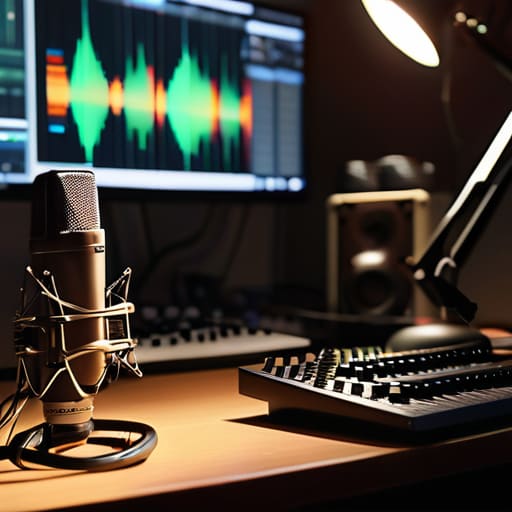
When I first started editing audio, I thought I’d just buy a decent mic and suddenly be a professional. I spent three weeks trying to master a compressor only to realize I’d been applying it to the wrong frequency range the entire time. That’s the reality of hobby acquisition for adults: you spend a massive amount of time doing things incorrectly. You’ll buy the expensive beginner craft supplies thinking they’ll compensate for a lack of technique, only to find that a £400 microphone can’t fix a room that echoes like a cathedral.
The mistake most people make is expecting a linear progression. They think they’ll move from Point A to Point B, but in reality, you’re just stumbling through a dark room looking for the light switch. You will produce garbage. You will finish projects that make you cringe. But overcoming the learning curve isn’t about avoiding those bad outputs; it’s about having the stomach to sit through the months where your hands won’t do what your brain wants them to do.
Overcoming the Learning Curve When You Lack Infinite Time

When you’re in your thirties or forties, you don’t have the luxury of a blank calendar. You aren’t a student with nothing to do but obsess over a single discipline; you have a mortgage, a job, and a finite amount of mental energy left by 7:00 PM. This is where most people fail at hobby acquisition for adults. They treat a new skill like a second career, expecting to clock forty hours a week of practice, and when they can only find twenty minutes between dinner and sleep, they call themselves “failures.”
The trick to overcoming the learning curve without burning out is to stop looking for massive blocks of time and start looking for the gaps. I don’t learn a new compression plugin by sitting down for a six-hour seminar; I learn it by spending fifteen minutes aggressively breaking a single audio file until I understand why the waveform looks like a jagged mountain range. You have to embrace micro-sessions. If you try to master a complex craft in one massive, infrequent burst, you’ll spend the first half of every session just remembering what you were doing last time. Focus on small, repeatable wins instead.
Five Ways to Stop Sabotaging Your Own Progress
- Stop looking for the ‘perfect’ setup before you start. I spent three months researching the ideal preamp and acoustic treatment before I even recorded ten minutes of actual audio. You don’t need a $500 microphone to learn how to tell a story; you need to learn how to listen to the room you’re already in. Buy the cheapest tool that gets the job done and start making mistakes immediately.
- Build a ‘garbage bin’ for your failed attempts. In my editing suite, I have a folder for the ‘perfectly irrelevant’ clips—sentences that were beautiful but served no purpose. When you’re learning, you need a place to put the half-finished projects and the botched attempts. Don’t delete them. Looking back at a mess you made six months ago is the only way to realize you’ve actually moved the needle.
- Set a timer, not a goal. If you tell yourself you’re going to ‘master audio editing,’ you’ll quit by Tuesday because mastery is a moving target. Instead, tell yourself you’re going to sit in the chair for 45 minutes of focused work. Whether you produce a masterpiece or just struggle with a compressor plugin for an hour, you showed up. That’s the only metric that actually counts.
- Find a mentor who isn’t selling a course. Most ‘gurus’ online are just teaching you how to package your knowledge into a PDF. If you want to learn a real craft, find the person who has been doing it for twenty years and ask them a specific, technical question. Don’t ask ‘how do I get started?’ Ask ‘why does this specific frequency always peak when I boost the mids?’ Real pros respect specific questions.
- Accept the ‘Silent Eight Months.’ There is a period in every new craft where you are putting in maximum effort and getting zero feedback. In podcasting, it’s the months where you upload episodes to a void of zero downloads. You have to learn to work for the sake of the work, not for the applause. If you can’t enjoy the process of failing in private, you won’t survive the time it takes to get good.
The Real Cost of Getting Good
Stop looking for a “flow state” and start looking for your baseline; you won’t know if you’ve actually improved until you can look at your work from six months ago and pinpoint exactly where the technical errors are.
Accept that your first few months of output will be mediocre, and that’s not a sign of lack of talent, it’s just the tax you pay for being a beginner.
Build a system for your failures, whether that’s a log of what went wrong in a recording session or a notebook of bad edits, because if you don’t track the mistakes, you’re just repeating them.
The Myth of the Natural
Stop looking for a mentor who promises a shortcut or a course that claims to bypass the struggle; you don’t learn a craft by watching someone else do it perfectly, you learn it by sitting in the quiet, frustrating gap between knowing what good work sounds like and actually having the technical hands to produce it.
Nadine Okafor
The Long Game
Look, if you were expecting a roadmap to mastery that avoids the grit, you’ve come to the wrong place. We’ve talked about why you’re going to fail—and why that’s actually the job—and how to manage your limited hours without burning out before you even get a decent result. Learning something new as an adult isn’t about finding a shortcut or a magic hack; it’s about managing your own frustration when the project looks like a mess and the progress feels invisible. It’s about realizing that the “middle years,” where the novelty has worn off but the skill hasn’t quite landed, are where the actual craft is forged.
At the end of the day, don’t do this because you want to be a prodigy or because you want to sell a course on how you did it. Do it because there is a specific, quiet satisfaction in sitting down with a broken piece of equipment, or a messy piece of software, or a blank page, and slowly, stubbornly making it work. You don’t need to be the best in the world; you just need to be better than you were last Tuesday. Just keep showing up to the workbench. The mastery will come, but only if you’re willing to endure the unsexy process of getting it wrong first.




