

I spent three years thinking I needed a twenty-page creative strategy and a color-coded Notion board to be “professional,” but all that did was give me a headache and a folder full of half-finished ideas. Most of the gurus online will tell you that you need a complex framework to stay on track, but if you’re a solo producer, that’s just a fancy way of procrastinating. When I finally figured out how to write a brief for yourself, I realized it wasn’t about looking important; it was about preventing the mid-season collapse when the initial dopamine hit wears off and you’re staring at a blank waveform at 2:00 AM.
I’m not going to hand you a glossy template that looks good in a portfolio but fails in a real studio. Instead, I’m going to show you how to build a skeletal structure that actually holds weight when a guest cancels or your audio quality takes a dive. We’re going to focus on the ugly, practical essentials: defining your scope, setting your non-negotiables, and mapping out the actual work so you don’t spend six months chasing your own tail.
Defining Project Objectives Before the Motivation Fades
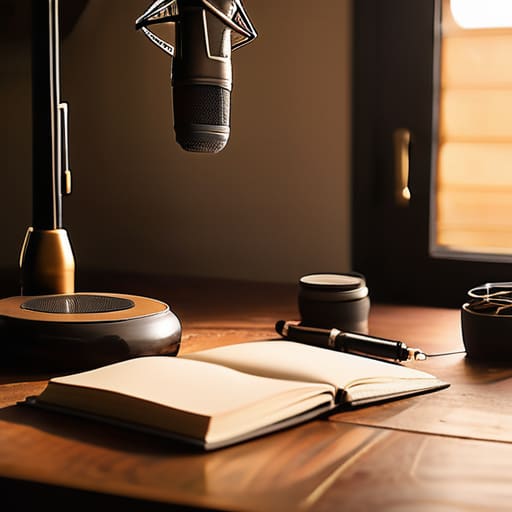
When you’re starting a new series, the dopamine is high. You feel like you’re going to record twenty episodes in a month. But that’s exactly when you need to stop and focus on defining project objectives before the initial rush wears off. I’ve seen too many producers start a project with a vague idea like “a show about music,” only to realize three weeks in that they have no idea how to structure an episode or who they are actually talking to. Without a concrete goal, you aren’t producing; you’re just making noise.
The trick is setting personal project parameters that actually hold up when you’re tired on a rainy Tuesday. Don’t just say you want it to be “good.” Decide if this is a six-episode limited series or a weekly long-haul. Decide if you are aiming for a polished, highly edited documentary style or a raw, conversational format. If you don’t establish these self-imposed project boundaries early on, you’ll end up with a mess of half-finished ideas and a massive amount of wasted storage space.
Setting Personal Project Parameters to Survive the Slump

You need to decide what “done” looks like before you even touch your DAW. Most people start a podcast with a vague intention to “tell stories,” but that’s how you end up with a half-finished folder of twenty unedited files and a massive sense of failure. Setting personal project parameters isn’t about being rigid; it’s about preventing the project from swallowing your life. Decide right now: is this a six-episode limited series or a weekly show? If it’s the latter, how many hours a week are you actually willing to spend on the edit? If you don’t set these self-imposed project boundaries early, you’ll find yourself trying to turn a casual hobby into a high-end production during a week when you’re already burnt out.
I’ve seen too many creators fall victim to scope creep, where every episode suddenly requires a custom musical score and sound design that takes ten hours to polish. You have to define the floor of your production. If you decide your parameter is “one interview, one edit, and a 30-minute runtime,” stick to it. It’s better to have a consistent, manageable workflow than a masterpiece that only survives the first three episodes.
Five Ways to Stop Your Brief From Becoming Just More Digital Paperwork
- Write for your future, exhausted self. Don’t use lofty language like “exploring the nuances of human connection.” Write: “I need to find three guests who can talk for twenty minutes without needing a prompt.” When you’re three months in and haven’t slept, you won’t remember your “vision,” but you will understand a specific instruction.
- Hard-code your “No” list. A good brief isn’t just what you’re going to do; it’s what you’re refusing to do. If you decide your podcast won’t have music transitions because you don’t have the budget or the patience to edit them, write that down. It stops the scope creep that kills projects in their infancy.
- Set a “Minimum Viable Episode” standard. Instead of aiming for a cinematic masterpiece every week, define the absolute baseline of quality required to hit ‘publish.’ If that means a clean vocal track and one solid interview without a fancy soundscape, put that in the brief. It gives you permission to finish things.
- Include a “Technical Reality Check” section. I see people write briefs for shows they can’t actually produce with the gear they have. List your actual constraints: “I only have a single XLR input and a laptop that fans loudly.” It forces you to plan your recording sessions around your reality, not a fantasy studio setup.
- Build in a “Kill Switch” metric. Decide now what failure looks like so you aren’t guessing when you’re feeling low. “If I haven’t produced four episodes by month six, I will pivot the format.” Having a pre-determined exit or pivot strategy prevents you from wasting a year on a format that clearly isn’t working.
The Bottom Line
Stop aiming for “perfection” in your brief; aim for a set of guardrails that prevents you from recording a forty-minute monologue when you actually needed a tight ten-minute interview.
Your brief isn’t a contract for success, it’s a map for when you’re lost in the middle of month five and can’t remember why you started this in the first place.
Write down your hard constraints—like how many hours a week you can actually spend editing—before you commit to a format that requires twenty.
## The Brief as a Contract with Your Future Self
A self-brief isn’t a creative manifesto or a way to feel productive on a Tuesday morning; it’s a set of instructions for the version of you that exists three months from now, when the initial spark has died, the guest has ghosted, and you’re staring at a timeline wondering why you even bothered starting.
Nadine Okafor
The Brief is a Living Document, Not a Tombstone

At the end of the day, a self-brief isn’t about creating a rigid set of rules that you’ll inevitably break when you’re tired or frustrated. It’s about having a functional map to look at when you realize you’ve spent three hours tweaking the EQ on a single sentence instead of finishing the episode. You’ve identified your objectives so you don’t drift, and you’ve set your parameters so you don’t burn out during that inevitable mid-project slump. If you find that your original goal was actually a terrible idea, change the brief. The document serves you; you don’t serve the document.
I know it feels like extra work when you just want to hit ‘record’ and see what happens, but the discipline of planning is what separates a hobby from a craft. Most people quit because they hit a wall they didn’t see coming, but if you’ve done this right, you’ve already built the reinforcements. Don’t aim for perfection, and certainly don’t wait for a burst of inspiration that might not show up for weeks. Just trust the process you’ve laid out for yourself, keep your levels consistent, and keep moving forward. The work is hard, but it’s entirely learnable.




