
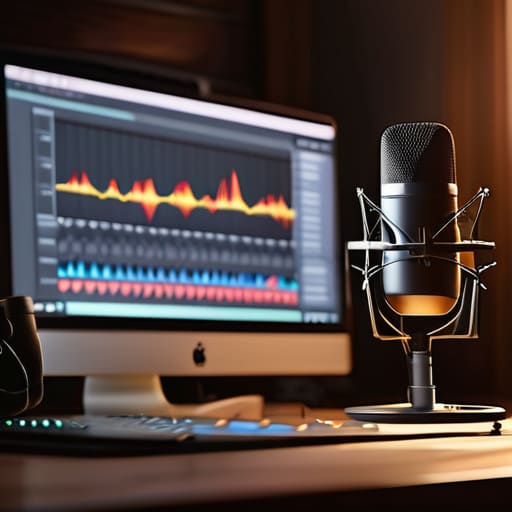
I was sitting in my studio last Tuesday, staring at a waveform that looked less like a conversation and more like a jagged mountain range of pure, unadulterated boredom. I had three hours of interview audio to cut, and for the first time in fifteen years, I didn’t want to touch it. There is this pervasive, expensive lie in the industry that if you lose your spark, you just need a “rebrand” or a better microphone to fix it. But let’s be honest: no amount of Shure SM7Bs is going to solve the problem of how to deal with a podcast you have lost interest in. Sometimes, the project hasn’t failed; you’ve just outgrown the version of yourself that started it.
I’m not here to sell you a masterclass on “finding your passion” or some vague motivational seminar. Instead, I want to talk about the mechanics of the slump. I’m going to walk you through how to audit your actual content, how to decide if a project is truly dead or just needs a different structural approach, and how to stop the guilt from eating your productivity. This isn’t about hype; it’s about the practical reality of staying in the game when the initial dopamine hit wears off.
Recognizing the Real Podcasting Burnout Symptoms

It isn’t always a sudden, dramatic realization that you’re done. Usually, it’s a slow, quiet erosion. You’ll know you’re hitting the wall when you start seeing the waveform of your own guest’s voice and feeling nothing but a heavy, physical resistance to hitting the ‘record’ button. This kind of creative exhaustion in creators isn’t just “being tired”; it’s a fundamental shift where the process itself starts to feel like a chore rather than a craft. If you find yourself staring at your editing software for forty minutes without actually making a single cut, that’s a symptom, not a lack of discipline.
You also need to watch for the “perfectionism trap.” If you are spending three hours EQing a single sentence because you’ve lost the joy of the story, you aren’t being meticulous—you’re stalling. I’ve spent years watching people mistake this specific type of podcasting burnout symptoms for a need to work harder. In reality, you aren’t failing; you’re just out of fuel. Recognizing the difference between a bad week and a complete loss of interest is the only way to decide whether to push through or pivot.
Evaluating Podcast Content Strategy Before You Quit
Before you decide to scrap the whole project and delete your hosting account, you need to figure out if you’re actually done with the subject matter or if you’re just tired of the format. I’ve seen people mistake a repetitive workflow for a lack of interest in their topic. If you’ve been doing solo, monologue-heavy episodes for six months, you aren’t necessarily failing; you might just be suffering from a specific kind of creative exhaustion in creators. Sometimes, evaluating podcast content strategy means realizing that your interview style is stale, not that your niche is dead.
Ask yourself: if a guest called you right now with a brilliant, controversial take on your subject, would you be excited to edit that file? If the answer is yes, you don’t need to quit; you need to change the way you deliver the information. This might involve rebranding your podcast niche slightly or shifting from long-form storytelling to shorter, punchier segments. Don’t throw away the infrastructure you’ve built just because the current way you’re working feels like pulling teeth.
Five ways to stop the bleeding without hitting delete
- Audit your workflow for the friction points. If you hate the recording process because you’re fighting with a temperamental interface or a room that sounds like a tiled bathroom, fix the gear before you blame the concept. Sometimes the “loss of interest” is actually just exhaustion from fighting your equipment.
- Stop the weekly grind. If the schedule is what’s killing you, move to bi-weekly or even monthly. I’ve seen too many producers burn out trying to maintain a “consistency” that actually just results in mediocre, rushed episodes that neither they nor the listeners enjoy.
- Look at your “irrelevant” files. Go back to that folder of perfect sentences and clips you cut because they didn’t fit the narrative. If you’re bored with your current format, use those fragments to build a spin-off or a shorter, more experimental mini-series. It’s much easier to pivot with a small side-project than to overhaul a flagship show.
- Delegate the grunt work. If you love the interviewing but loathe the three hours of EQ and de-essing, find a junior editor or a student looking for credits. You don’t have to do every single task to be the producer; sometimes you just need to get back to the part that made you start this in the first place.
- Accept the plateau. There will be months where the downloads stay flat and the social media engagement is non-existent. Don’t mistake a lack of growth for a lack of purpose. If the content still matters to you, keep shipping it, even if you’re just broadcasting into the void for a while.
The Hard Truths to Carry With You
Don’t mistake a bad season for a bad show; sometimes you just need to stop editing for a week and see if you actually miss the sound of your own voice.
If you’re only producing for the metrics, you’ve already lost—fix the format to something that actually excites you to sit in front of the DAW, or the burnout will win every time.
It is okay to let a project go quiet; a finished series is better than a zombie podcast that you’re dragging through the mud out of pure, misplaced guilt.
The Difference Between a Bad Season and a Dead Project
Don’t mistake a technical headache or a string of low download numbers for a lack of passion; usually, you aren’t actually bored with the subject, you’re just exhausted by the friction of the workflow. If the idea of recording still makes you smile but the thought of opening your DAW makes you want to cry, stop looking for a new topic and start looking for a better way to edit.
Nadine Okafor
The Final Cut

At the end of the day, dealing with a loss of interest isn’t about finding a magic plugin to fix your motivation. It’s about distinguishing between a temporary slump and a fundamental misalignment with your content. We’ve looked at how to spot the difference between genuine burnout and a simple need for a format change, and we’ve talked about auditing your strategy before you throw away months of work. If you can identify whether the problem is the technical friction of your workflow or the actual substance of your topics, you’ve already done the hardest part. Don’t mistake a bad season for a bad career; sometimes you just need to recalibrate your settings and stop trying to force a signal that isn’t there.
If you do decide that this specific show has run its course, let it go. There is no prize for dragging a dead project toward the finish line out of some misplaced sense of duty. I’ve sat in front of my DAW for hours, staring at waveforms that felt like nothing, only to realize that the energy I was wasting on a dying format could be better spent on something new. Podcasting is a marathon of attrition, but you get to choose the path you run on. The craft is long and often quiet, but it’s always there waiting for you when you’re ready to start something that actually makes you want to hit the record button.




