

I remember sitting in a cramped, soundproofed booth in Birmingham twenty years ago, staring at the level meters while a guest’s face turned a shade of crimson I didn’t know was humanly possible. I had just asked something so clumsy, so fundamentally off-base, that the air in the room seemed to vanish. You spend weeks researching, you prep your notes, and then—in a single heartbeat—you realize you’ve just tripped over your own feet in front of a microphone. Most people will tell you to study “advanced interpersonal communication” or buy a masterclass on emotional intelligence, but that’s nonsense. Learning how to recover when a question lands badly isn’t about being a polished orator; it’s about managing the sudden, heavy silence that follows a mistake and keeping the recording from becoming a disaster.
I’m not here to sell you a polished framework or a way to pretend you’re perfect. I’m going to tell you what actually works when the tension in the room spikes and your heart starts hammering against your ribs. We’re going to talk about the mechanical reality of the pivot—how to use a breath, a brief pause, or a direct acknowledgment to steer the conversation back to solid ground without losing your dignity or the guest’s trust.
Maintaining Emotional Intelligence in Dialogue When You Freeze

When the freeze hits, your brain goes into a defensive crouch. You feel that heat climbing up your neck, and suddenly, you aren’t a professional producer anymore; you’re just a person who has lost the ability to speak. The mistake most people make here is trying to fight the panic with more panic. If you start stuttering or over-explaining, you’ve lost the room. Instead, focus on maintaining emotional intelligence in dialogue by acknowledging the glitch. It is perfectly fine to say, “That’s a heavy one, let me sit with that for a second,” or “I think I just lost my train of thought.” It sounds human because it is human.
Once you’ve regained your footing, you need to move. This is where you use conversational pivot techniques to steer the ship back onto course without making it look like you’re frantically spinning the wheel. Don’t try to address the mistake head-on if it’s a dead end; instead, bridge from the awkwardness back to the core theme of your episode. The goal isn’t to pretend the stumble didn’t happen, but to demonstrate that you are still the one in control of the narrative.
Damage Control in Professional Conversations After a Misstep
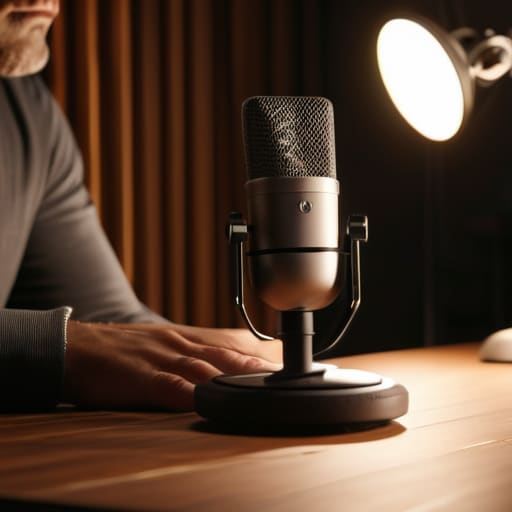
Once the initial freeze breaks, you have to move. You can’t just sit there in the silence you created; that’s how a momentary lapse turns into a permanent vibe shift for the entire episode. If you’ve stumbled or accidentally offended a guest, you need to engage in immediate damage control in professional conversations. Don’t go into a frantic, five-minute apology spiral—that just makes it weirder for the listener. Instead, acknowledge the slip, offer a brief, sincere correction, and then immediately move the needle forward.
The goal here is improving verbal agility by using conversational pivot techniques to steer the ship back toward safe waters. If you’ve misspoken or misread the room, try a soft reset: “Actually, let me rephrase that, I didn’t quite hit the mark there,” and then bridge directly into a follow-up question that gives the guest agency. It’s about re-establishing the equilibrium of the interview. You aren’t trying to pretend the mistake didn’t happen; you’re just proving to your audience that you are a professional who can navigate a wreck without sinking the whole boat.
Five ways to stop the bleeding without losing your dignity
- Stop trying to fill the silence with noise. When you stumble, your instinct is to start babbling to cover the embarrassment, but that just creates a messy, uneditable waveform. Take a breath. A three-second pause feels like an eternity to you, but to a listener, it just sounds like you’re thinking. It gives you a moment to find the thread again.
- Use the “re-frame and redirect” maneuver. If you realize mid-sentence that you’ve gone down a rabbit hole that makes no sense, don’t try to finish the thought. Just stop and say, “Actually, let me rephrase that, I think I lost the point.” It’s cleaner for the edit and shows the audience you’re actually in control of the conversation.
- Lean into the awkwardness if it’s truly egregious. If you’ve asked something accidentally offensive or just plain dense, don’t pretend it didn’t happen. A quick, “I’m sorry, that was a poorly phrased question,” clears the air immediately. If you try to gloss over a mistake, the tension stays in the room, and the listener can feel it through the headphones.
- Keep your technical recovery separate from your verbal recovery. If you trip over a word, don’t let it derail the entire interview. If you’re recording locally, note the timestamp. Don’t spend ten minutes trying to “get it right” in the moment; just make a note, move to the next question, and fix it in the DAW later. Your energy is more important than a single perfect syllable.
- Prepare a “safety” question. I always keep two or three high-level, broad questions in my notebook that work for almost any guest. If a specific line of questioning hits a brick wall or turns into a disaster, use one of these to reset the temperature of the room. It’s a way to get back to stable ground without having to explain why you’re pivoting.
The Essentials for When Things Go Sideways
Don’t try to edit the awkwardness out of your brain in real-time; if you freeze, just name it. A simple, “I’ve lost my train of thought for a second, let me reset,” is better than twenty seconds of frantic, high-pitched filler words that ruin your audio levels and your dignity.
Keep your physical composure even when your internal monologue is screaming. If you lean back and start fidgeting with your mic cable or your notes, the listener feels that tension through the headphones, and suddenly the episode feels like a disaster instead of just a momentary lapse.
Use the “pivot and bridge” method to get back on track. Acknowledge the stumble, take a breath, and immediately tie the next question back to the core theme of the interview so you aren’t just wandering aimlessly through the silence.
The Myth of the Seamless Interview
“Don’t go looking for a ‘perfect’ recovery in your head while the guest is staring at you; that’s how you end up in a dead air silence that lasts ten seconds too long. The best way to fix a botched question isn’t a polished pivot, it’s just being honest—saying, ‘I actually phrased that terribly, let me try again,’ and moving on. Your listeners don’t want a robot, they want a person who can handle a mistake without losing their cool.”
Nadine Okafor
The Edit is Where the Truth Lives
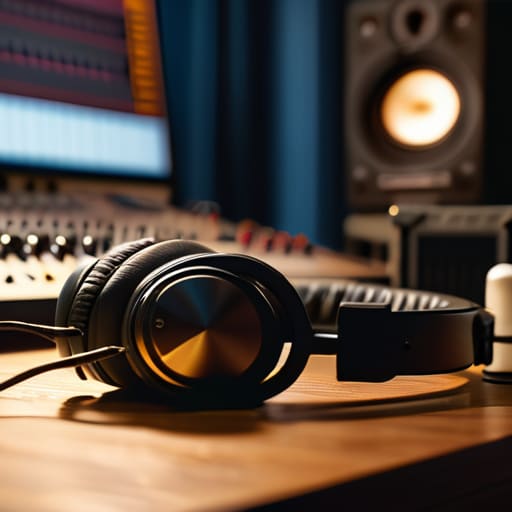
At the end of the day, recovering from a bad question isn’t about achieving some impossible standard of polished perfection. It’s about managing the immediate fallout—whether that’s through a quick pivot in the moment or a transparent apology if you’ve truly stepped over a line. You need to remember that you have the tools to handle the silence, the EQ to read the room, and, most importantly, the power of the post-production phase. If you’ve managed to keep the recording going, you haven’t failed; you’ve just given yourself a problem that can be solved with a steady hand and a pair of headphones.
I’ve spent years sitting in dark rooms, staring at waveforms, and I can tell you that the listeners don’t want a robot; they want a person. They want to hear the nuance, the occasional stumble, and the way a real human being navigates a difficult moment. Don’t let one awkward ten-second clip convince you that you aren’t cut out for this. The craft isn’t about never making a mistake; it’s about knowing how to fix it when the tape is still rolling. Keep recording, keep learning, and for heaven’s sake, keep the mic live.




