

I’ve lost count of how many “masterclass” videos I’ve seen promising that a specific lighting setup or a high-end psychological framework is the secret to getting a quiet person to talk. It’s nonsense. I remember sitting in a cramped, drafty studio in Birmingham ten years ago, staring at a guest who was so terrified of the microphone she was practically vibrating, and no amount of “strategic rapport-building” was going to fix that. If you’re searching for how to interview someone shy, you don’t need a degree in behavioral science; you need to learn how to stop being a performer so they can actually be a person.
I’m not here to sell you a course or a complicated methodology that falls apart the moment the recording light turns red. I want to talk about the actual, unglamorous mechanics of the craft: the pacing of your questions, the way you handle the long, uncomfortable pauses, and why your own nervous energy is likely the biggest thing killing the audio. I’ll show you how to navigate the silence without making it weird, using the real-world tactics I’ve used to pull decent stories out of the most guarded guests in my career.
Creating a Safe Interview Environment Before the Mic Turns on
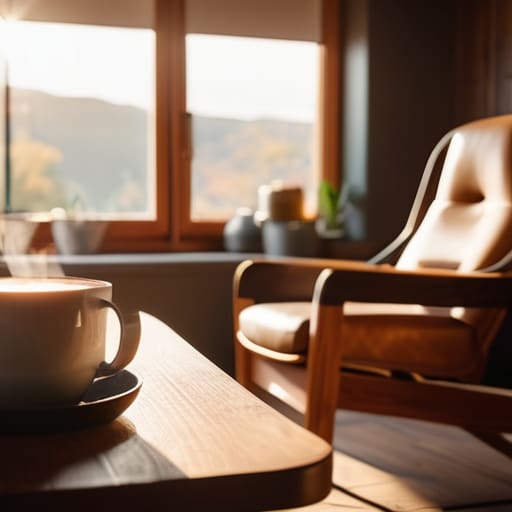
The biggest mistake I see new producers make is treating the recording session like a scheduled appointment rather than a conversation. If you walk into the room, hit ‘record’, and immediately launch into your prepared list of questions, you’ve already lost. You need to spend at least ten to fifteen minutes just existing in the same space as them. Don’t talk about the show or the technical setup; talk about the coffee, the weather, or the weird architecture of the building. This isn’t just small talk; it is the foundation of building rapport with introverts before the pressure of the red light kicks in.
Once you are actually sitting down, pay attention to your own body language. If you are leaning forward aggressively with a notebook in your lap, you look like an interrogator, not a collaborator. I always try to sit at an angle rather than directly across from them, which feels less confrontational. Watch for their non-verbal communication cues—if they start fidgeting with their sleeves or looking at the exit, you’ve pushed too hard. Slow your own breathing, keep your movements calm, and let them settle into the chair. You aren’t just capturing audio; you are managing the energy in the room.
Reducing Interview Anxiety Without the Fake Positivity

Stop trying to “pump them up.” I’ve seen too many hosts walk into a room with this manic, high-energy persona, thinking they’re going to coach a shy guest out of their shell. All they actually do is make the guest feel like they’re performing in a play they didn’t audition for. If you want to succeed at reducing interview anxiety, you need to lower your own energy to match theirs. If they are soft-spoken and cautious, you shouldn’t be shouting about how “excited” you are to be there. It feels performative and dishonest.
Instead, focus on the technical minutiae to settle their nerves. Talk about the mic placement, the headphone mix, or the fact that you’re recording in a room with a slight hum. It gives them something concrete to focus on other than the pressure of being “interesting.” When you eventually move into the actual conversation, lean heavily on active listening for interviewers. Don’t just wait for your turn to speak; give them the space to finish a thought without you jumping in to fill the silence. Sometimes, the most effective way of building rapport with introverts is simply proving that you aren’t going to interrupt them.
Five ways to get actual content out of a closed-off guest
- Stop using open-ended questions for the first ten minutes. If you walk in and ask, “Tell me about your journey,” a shy person will freeze and give you a rehearsed, one-sentence answer. Start with closed questions that require a simple ‘yes’ or ‘no’ or a specific fact. Get them used to the sound of their own voice in the room before you ask them to do the heavy lifting.
- Control the physical setup to minimize distractions. If you have a massive, intimidating condenser mic between you, it becomes a barrier. If you’re recording remotely, tell them exactly where to sit and how to position their headphones. The more they have to worry about the technical “correctness” of their posture, the less they are thinking about what they want to say.
- Use the “echo” technique to keep momentum. When they give you a short, clipped answer, don’t immediately jump to your next scripted question. Repeat the last three words they said with a slight upward inflection. It sounds like a nudge rather than an interrogation, and it often triggers them to elaborate on the very thing they were about to shut down.
- Give them permission to be imperfect. I tell my guests early on: “If you stumble on a word or need to restart a sentence, don’t sweat it. I’ll fix it in the edit.” Knowing that the final product isn’t a live broadcast where one mistake ruins everything takes a massive amount of pressure off their nervous system.
- Watch for the “processing pause.” When you ask a difficult question, there will be silence. Most amateur hosts panic and fill that silence with “Does that make sense?” or “I know that’s a hard one.” Don’t do that. Count to five in your head. Give them the space to actually formulate a thought instead of forcing them to react to your nervous energy.
The Reality Check
Stop trying to “perform” your way into a connection; if you’re busy monitoring your own charisma, you aren’t actually listening to the guest, and they can feel that vacuum.
Build in a “buffer” period of ten minutes of non-recorded chat to let the adrenaline spike pass—it’s better to lose ten minutes of conversation than to spend three hours editing out the stammers caused by nerves.
Give them the questions in advance, even if you plan to deviate; for a shy person, the fear of the unknown is usually much louder than the fear of the actual interview.
The Error of the "Perfect" Question
Stop treating your interview like a deposition where you’re just waiting for them to hit your pre-written marks; if you’re too busy checking your notes to actually listen to the tremor in their voice, you’ve already lost them.
Nadine Okafor
The Long Game
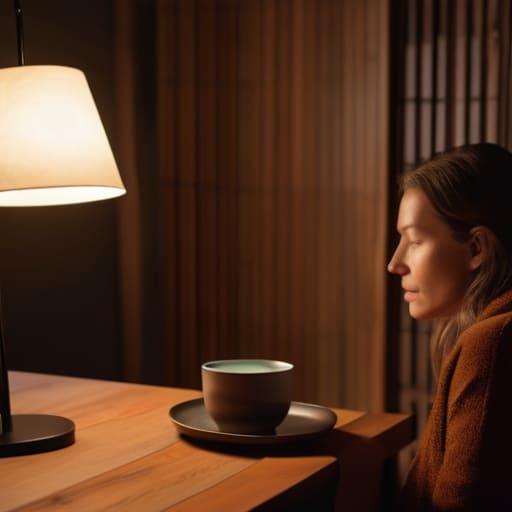
At the end of the day, interviewing a shy guest isn’t about mastering a specific psychological technique or buying a more expensive microphone. It comes down to the logistics you set up before the recording starts: the way you manage the physical space, the way you ditch the scripted formalities to actually talk like a person, and your willingness to sit through the uncomfortable silences without rushing to fill them. If you’ve done the groundwork—lowering the stakes, managing the technical anxiety, and building a bit of rapport—you’ve already won half the battle. Most of the “magic” in a great interview isn’t magic at all; it’s just the result of intentional, unglamorous preparation that allows the guest to feel they aren’t being hunted for a headline.
Don’t get discouraged if your first few attempts with a reserved subject feel clunky or if you end up with more dead air than you’d like. I still have a notebook full of “perfectly irrelevant” clips from guests who took forty minutes to find their voice, and honestly, those are often the moments that make a show feel real. Podcasting is a craft of patience, not performance. If you keep showing up, keep treating your guests with actual respect rather than treating them like content generators, you’ll eventually find that rhythm where the walls come down. Just keep the levels consistent and trust the process.




