

I remember sitting in a cramped, poorly ventilated studio in Birmingham back in ’08, watching the levels on my monitor peg into the red because a guest had decided my interview was actually a keynote address. I sat there, frozen, watching forty minutes of gold-standard insight get buried under twenty minutes of a man explaining his childhood pet’s dietary requirements. Most of the “expert” advice you’ll find online tells you to buy a better interface or use a specific compressor to fix the audio, but let’s be real: no amount of gear is going to teach you how to handle a guest who will not stop talking. You can’t EQ your way out of a monologue that has no end in sight.
I’m not here to sell you a masterclass or a fancy new microphone. I’ve spent two decades in the edit suite, and I’ve learned that managing a runaway guest is a social skill, not a technical one. I’m going to tell you exactly what I do when I’m mid-recording to steer the ship back on course without making the guest feel like they’ve been insulted. We’re going to talk about the specific verbal cues, the physical resets, and the hard boundaries you need to set before you even hit the record button.
Setting Boundaries With Talkative People Before You Hit Record

The best way to deal with a guest who treats your recording session like a therapy appointment is to prevent it from happening in the first place. I’ve learned the hard way that “winging it” is just a polite way of saying you’re unprepared for a disaster. Before you even touch the faders, you need to have a pre-interview chat—not just about the topic, but about the mechanics of the show. I tell my guests straight up: “We have forty-five minutes, and I’m going to jump in to keep us on track so we don’t run over.” It feels slightly clinical, but it establishes the power dynamic immediately.
You also need to be explicit about the structure. If you’re running a Q&A format, tell them. If you need them to keep answers under two minutes so you can maintain a rhythm, say so. This isn’t about being rude; it’s about setting boundaries with talkative people before the red light goes on. If you wait until they are mid-monologue to try and intervene, you’re playing defense. If you set the rules during the soundcheck, you’re just following the agenda you both agreed to.
Active Listening vs Conversation Control the Silent Tug of War
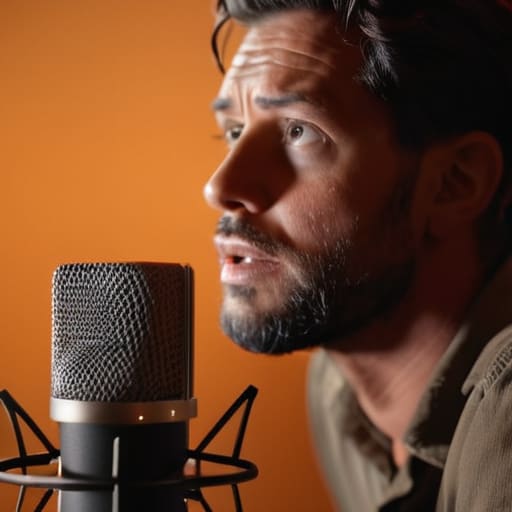
There is a very thin, very dangerous line between being a good listener and becoming a passive observer in your own show. I’ve spent years sitting behind a mic, and I can tell you that the urge to just nod and let a guest run wild is incredibly strong. You want to be respectful, and you don’t want to seem like a jerk, but if you fall into the trap of pure empathy, you lose the episode. This is the core of the struggle: active listening vs conversation control. If you are only listening to understand, you aren’t producing; you’re just hosting a one-sided lecture.
To keep the momentum, you have to learn how to redirect a conversation without making the guest feel like they’ve been slapped. It’s not about being rude; it’s about being the pilot. I usually use a “bridge” technique—I’ll let them finish a thought, give a brief, affirming nod, and then immediately pivot with a question that forces them back to the topic. If you don’t master this, you’ll end up with forty minutes of brilliant, tangential rambling that you’ll eventually have to delete in post.
Five ways to reclaim your edit without losing your mind
- Use a hard stop as a structural tool. Don’t just say “we have an hour”; tell them, “We have exactly 45 minutes, and I need to make sure we hit these three specific points before the clock runs out.” It gives you a legitimate reason to interrupt when they start drifting into a twenty-minute tangent about their childhood pet.
- Master the “bridge and pivot.” When they’re mid-sentence and heading toward a dead end, you step in with, “That’s a great point about the industry shifts, and it actually leads perfectly into my next question about…” You aren’t being rude; you’re being a navigator.
- Watch the clock, not just the guest. If you’re recording remotely, keep a physical timer on your desk. If you see you’ve spent 30 minutes on the intro, you have to be the one to tighten the screws immediately. If you let them run wild for the first half, you’re going to be staring at a four-hour raw file that’s impossible to trim into a coherent episode.
- Record “safety” segments. If a guest is particularly prone to rambling, try to get your most critical, high-value questions answered in the first twenty minutes. If the rest of the session turns into a monologue, you at least have a solid core of content to build the episode around.
- Learn to embrace the awkward silence. Sometimes, a guest keeps talking because they’re uncomfortable with the quiet. If you ask a question and they give a shallow answer, wait three seconds. Often, the most interesting part of the interview comes when they realize you aren’t rushing to fill the gap, and they actually stop to think before they speak.
The Reality Check
Pre-production isn’t just about tech checks; it’s about setting a hard time limit with your guest before they even sit down, so they aren’t shocked when you signal them to wrap.
If you find yourself constantly interrupting to steer the ship, you haven’t failed as a listener, you’ve just realized your pre-interview briefing wasn’t clear enough about the episode’s structure.
Don’t panic when a guest goes off on a tangent; just make a note of the timestamp and keep your own momentum going so you have something to cut against in the edit.
The Illusion of Control
You can spend forty minutes prepping a guest with a polite briefing document, but once the red light is on and they find their rhythm, all those rules go out the window; at that point, your job isn’t to be a polite listener, it’s to be an editor in real-time, using physical cues and strategic interruptions to steer the ship before you end up with forty minutes of monologue and zero usable content.
Nadine Okafor
The Final Cut

At the end of the day, managing a talkative guest isn’t about being a jerk; it’s about protecting the integrity of the episode. You’ve got to set those guardrails during the pre-interview, keep your own listening active without becoming a passive passenger, and—most importantly—be prepared to do the heavy lifting in the edit. If you didn’t manage to steer them back on track during the session, you’ll be spending your Tuesday night with a pair of headphones on, meticulously carving out the filler to find the actual substance. It is a tiring, manual process, but it is often the only way to turn a rambling mess into something a listener won’t turn off after three minutes.
Don’t let a single runaway monologue discourage you from the craft. Every producer I know has a folder full of “perfect” sentences that had to be deleted because they went nowhere, and honestly, that’s just part of the job. Podcasting is a skill built on constant, incremental adjustments, not on achieving perfection in your first ten recordings. You will learn the rhythm of a conversation, you will learn when to interject, and eventually, you’ll learn how to guide a guest toward the point without them even realizing you’re doing it. Just keep recording, keep editing, and keep showing up.




