
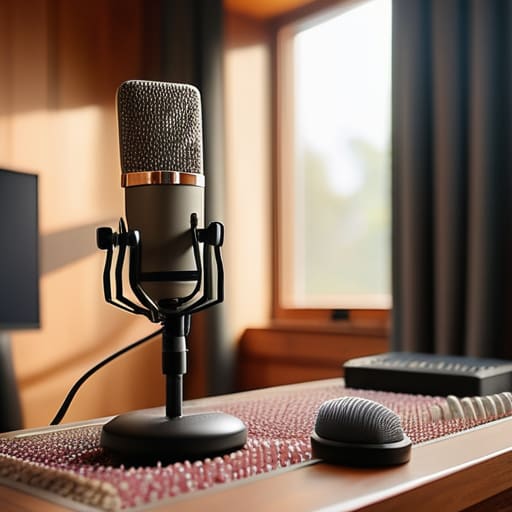
I spent three weeks in my early twenties convinced that a three-figure condenser mic was the secret to professional sound, only to realize I was recording in a bedroom with bare walls and a humming radiator. I sounded like I was broadcasting from inside a tin can, no matter how much I tweaked the gain. If you are currently spiraling through endless spec sheets and YouTube reviews, trying to figure out how to choose a first podcast microphone that won’t end up in a drawer by month three, stop. Most of the gear influencers are pushing is designed to separate you from your cash, not to make your voice sound better.
I’m not here to sell you a dream or a subscription to a “masterclass.” I’m going to tell you what actually matters: the difference between XLR and USB, why your room acoustics will kill a good mic, and which specific models actually survive the learning curve. I’ll give you the technical realities without the fluff, so you can stop worrying about the gear and start focusing on the actual craft of making something worth listening to.
Xlr vs Usb Microphones the Real Cost of Your Setup
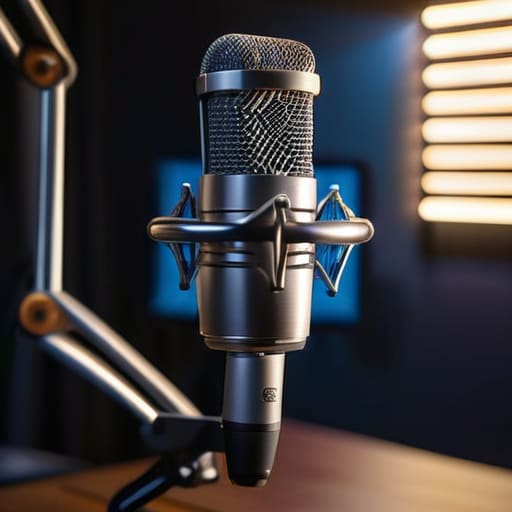
The biggest mistake I see beginners make is thinking a USB mic is a “complete” solution. It isn’t; it’s a compromise. A USB mic is convenient because it plugs straight into your laptop, but you are essentially locked into whatever internal processing that specific device offers. If you want to expand later, you’re often stuck staring at a piece of hardware that has nowhere to go.
If you want to build a proper podcast setup for beginners that won’t end up in a junk drawer in six months, you need to look at XLR. Yes, it requires an extra purchase—an audio interface—but that interface is what gives you actual control over your gain and signal path. When you’re weighing XLR vs USB microphones, remember that the XLR route is an investment in a modular system. You can swap a dynamic mic for a condenser later without replacing your entire chain. It’s more upfront cost, but it prevents that frustrating cycle of buying cheap gear, realizing it’s limiting you, and then having to buy everything all over again.
Condenser vs Dynamic Microphones Which One Survives Your Room
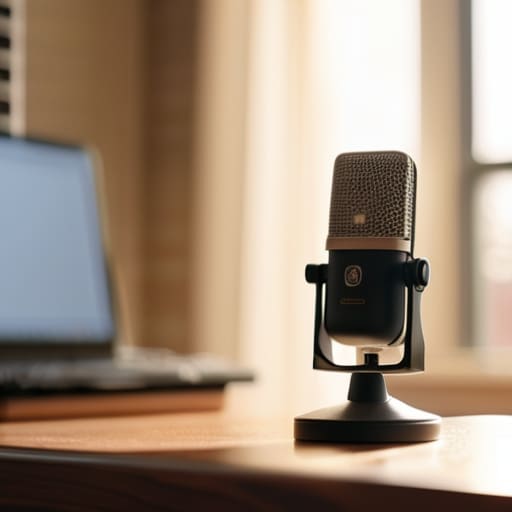
This is where most beginners trip up. You’ll see a beautiful, expensive condenser mic in a studio shot and think that’s the goal, but here is the reality: condenser mics are sensitive. They are designed to pick up every nuance, which sounds great in theory until they start picking up your neighbor’s lawnmower, the hum of your refrigerator, and the slight whistle of your HVAC system. Unless you have spent the last six months treating your room with acoustic foam and heavy curtains, a condenser is likely going to be your worst enemy.
If you are building a podcast setup for beginners in a standard spare bedroom or a kitchen, you want a dynamic microphone. Dynamic mics are less sensitive to distant sounds; they require you to get close to the capsule, which naturally helps you ignore the ambient noise of a lived-in house. When weighing condenser vs dynamic microphones, remember that a dynamic mic acts like a filter for your environment. It’s much easier to fix a slightly quiet recording in post-production than it is to remove the sound of a passing siren from a high-sensitivity condenser track.
Five things to check before you hit 'buy'
- Check your gain staging requirements. If you buy a cheap dynamic mic that requires massive amounts of gain to sound decent, you’ll end up buying a noisy, expensive preamp just to compensate for the mic’s weakness. Do the math on your interface first.
- Test the polar pattern against your actual desk setup. If you’re a “fidgeter” who moves around while talking, a tight cardioid pattern is your best friend; if you’re recording in a corner, you’re going to pick up every reflection from that wall unless you know exactly where the “dead” zones are.
- Ignore the “studio quality” marketing on condenser mics. In a real-world home setup—which is what 90% of beginners actually have—that extra sensitivity just means you’ll be editing out the sound of your neighbor’s lawnmower and your own refrigerator for three hours every episode.
- Look at the physical build, not just the frequency response. I’ve seen too many beginners buy a lightweight plastic mic that wobbles on a boom arm; you want something with enough heft to stay put when you inevitably bump the desk during a heated interview.
- Factor in the “hidden” costs of the connection. If you go XLR, you aren’t just buying a mic; you’re buying a cable, an interface, and potentially a stand. If your budget is strictly $100, a USB mic isn’t a “compromise,” it’s a mathematical necessity.
The bottom line on your first purchase
Buy a dynamic microphone if you aren’t prepared to spend hundreds of pounds on acoustic foam and heavy curtains; they ignore the hum of your fridge and the traffic outside much better than condensers do.
Don’t get caught in the USB trap if you plan to grow; it’s fine for a quick solo setup, but you’ll hit a technical wall the moment you want to record a guest sitting across from you.
Prioritize a decent interface over a fancy microphone; a mediocre mic through a clean, high-quality preamp sounds significantly more professional than an expensive mic plugged into a noisy, cheap laptop port.
## The gear trap
Stop looking at the frequency response charts and start looking at your walls; you can buy the most expensive condenser mic on the market, but if you’re recording in a kitchen with hard surfaces, you aren’t making a podcast, you’re making a recording of a room that echoes.
Nadine Okafor
Stop overthinking the gear
At the end of the day, your choice comes down to a trade-off between convenience and control. If you are recording in a bedroom with thin walls and a noisy fridge, get a dynamic microphone; it is the only thing that will keep your levels from sounding like a disaster. If you want to plug in and go without an interface, USB is fine for your first few months, but you will eventually hit a ceiling that only an XLR setup can break through. Don’t get stuck in a loop of comparing frequency response charts and technical specs on gear sites. Just pick a mic that matches your actual environment and your actual budget, then stop looking at the shopping cart.
I spent far too much time in my early years worrying about whether my signal-to-noise ratio was perfect, while the real problem was just that I hadn’t actually recorded enough episodes to find my voice. A microphone is just a tool, and even the most expensive Neumann won’t make a boring conversation interesting. The “perfect” setup doesn’t exist, but a consistent recording habit does. Get the gear, get the levels right, and then get to work. The world doesn’t need another person with a pristine studio and nothing to say; it needs people who are actually willing to press record.




